Mental Health Information
Understanding what is out there about your mental wellbeing on the world wide web can be confusing and extremely daunting at the best of times. Fake and inaccurate information proliferate and are extremely dangerous and can lead to making your problem worse. That's why The Listening Therapist ensures that any information is easy to understand, scientifically based on nationally and internationally recognised peer reviewed data and will always acknowledge the source.
Why not have a look at some of our posts below and see for yourself. If you don't see something you like, please tell us what you would prefer to see posted by clicking or tapping on our online form. Thank you.
£300,000,000,000*
- Cost of Mental Health
According to The Big Mental Health Report (2025), this is the cost to the sufferer and the economy in England alone!!
75%*
Of Suicides in England
According to The Big Mental Health Report (2025), 75% of suicide deaths in England alone were of men!!
1,900,000#
- Patients Accessing Mental Health Service
According to NHS Digital, as of August 2024, this was the figure of patients of NHS MH services. The vast majority were adults!!
References
# This information came from NHS Digital
https://digital.nhs.uk/data-and-information/publications/statistical/mental-health-services-monthly-statistics/performance-august-2024#summary
* This information came from Mind
https://www.mind.org.uk/about-us/our-policy-work/reports-and-guides/the-big-mental-health-report-2024/#findings
Understanding Anxiety
Coping with the human condition
As the sun rises over the various housing estates of the North of England today, there will be thousands of individuals who have little to no sleep yet again. The night brings darkness and darkness can trigger some harsh and repetitive negative or cycling thoughts. Some feeling that they are at risk of harm or repression. Their breathing can become shallow yet fast. Cold sweats dripping down your spine, on your face and hands making your clothing or bedlinen stick to you like you have clothed yourself straight from having a bath or shower. The cause of these physical and emotional reactions – anxiety.
Mental health services, both community and hospital based, are sadly few and far between especially in more socially and economically deprived areas of Britain with the North East of England ranking as one of the worst. Without the much-needed input from mental health services, many self-medicate with cheap alcohol or drugs to supress the extremes that anxiety can bring. Bearing this in mind, how can we help ourselves if we are in this situation? What is anxiety? How can I support myself and my family? Is there any support outside of the NHS or my countries government run services?
Anxiety – not just a single health problem
Anxiety is a more modern psychiatric term use to describe a group of health conditions (APA, 2013, p.189-195). The term anxiety includes conditions such as phobias, fear, stress, social and panic disorders. Anxiety is one of the most commonly diagnosed mental health problems across the UK and beyond. Humans need to have a base level of anxiety to protect us. So, feeling anxious or stressed at times is ok and is perfectly normal. These emotions can produce various physical symptoms (palpitations, breathlessness, dizziness), cognitive symptoms (worry, rumination), and behavioural changes (avoidance). It becomes a clinical problem when it is frequent, disproportionate, or functionally disabling. However, when these feelings become constant or stop us from living our life for a long period of time is when it can be considered harmful and we may need to seek medical advice. It is highly treatable yet as with all medical or other life problems, the longer we leave it the worse and the harder to treat it can become.
Some of the types of anxiety we may have include:
- Generalised Anxiety Disorder (GAD)
- Mutism (electing not to speak or communicate through sign)
- Phobias such as fear or certain animals, insects or foods. Also, fear of hights, confined spaces, social situations.
- Panic Disorders including panic attacks
- Obsessive Compulsive Disorder (OCD)
- Dysmorphic Disorders can include negative body or gender viewpoint
- Hoarding
- Skin Picking Disorder etc.
If we are finding it impossible to switch off from our chronic (meaning long lasting) anxieties and they have started to escalate – reach out for medical help straight away. Signs may include: suicidal thoughts, severe functional decline, psychosis — treat these as emergencies and use emergency services such as visiting A&E, calling 999, visit an Urgent Care Centre or call NHS 111.
Helping ourselves
Although it is always recommended to seek a qualified health care providers professional opinion, this is not always possible. There are helpful and safe ways to assist ourselves. It is important to note however, that there are unsafe websites, books, magazine and advice out there. This can include being told to use untested medications, religious rituals, untested herbal remedies, diets or following unsafe non genuine scientific advice. These are some of the safe spaces to look for help and advice surrounding anxiety issues:
NHS 111 online - https://111.nhs.uk/ or you can call 111 and select option 2 from your mobile or home telephone free of charge if you need urgent advice.
NHS England or your countries NHS such as NHS Scotland - https://www.nhs.uk/
You can use your NHS app or your GP’s website too. There are a number of mental health websites and telephone services that can provide up to date information and support that are provided by charities or private organisations:
Mind – https://www.mind.org.uk/ or telephone The Infoline on 0300 123 3393. This is a charity that can support and provide advice. They run workshops, safe spaces, telephone helplines and create up to date scientific information on various mental health complaints including anxiety disorders. These services are provided locally. Check their website for your local charity.
Anxiety UK - https://www.anxietyuk.org.uk/ or telephone their Infoline on 03444 775 774. This charity provides therapy sessions, up to date information, training and many other services. Some services may be chargeable. Please check their site for more details.
Samaritans - https://www.samaritans.org/ or telephone any time on 116 123 for free. You can email them at jo@samartians.org as well as speak to someone online or face to face at one of their offices.
Helping ourselves also includes making sure we care for our general wellbeing and of those that lives with us especially children. For example, by eating a balanced diet as possible within our financial constraints. Keeping ourselves, our homes and clothes clean. If we have pets, ensure that they are well cared for, loved and protected – they will love you back. Always reach out for support if we are in financial need. There are local food and pet food banks and services that will try and assist with homelessness if this is an issue for you.
Self-support – what can I try and trust
Whilst we are waiting for assistance from either our GP or another NHS service, there are things we can do at home that will help with our anxiety levels. These may include:
- Breathing and grounding: slow diaphragmatic breathing for several minutes to reduce arousal. (NHS,2025)
- Structured routine and sleep hygiene: consistent wake/sleep times and simple daily plans. (NHS inform.scot, 2025)
- Physical activity: short, regular walks or gentle exercise to reduce tension. (NHS inform.scot, 2025)
- Cognitive techniques: keep a worry diary and practise testing unhelpful thoughts (CBT principles). (Oxford Health NHS Foundation Trust.nhs, 2025)
- Graded exposure: approach avoided situations in small, planned steps to reduce avoidance and fear. (NHS inform.scot, 2025)
- Listen and validate rather than minimise; offer practical help with appointments and routines. (mind.org, 2025)
- Encourage evidence‑based help (NHS self‑help, Talking Therapies, charity helplines) and avoid pressuring for immediate “fixes.” Follow evidence‑based therapies such as CBT which are effective first‑line options, and in the UK free NHS resources and national charities provide immediate guidance and pathways to treatment. (NHS, 2023 & NHS inform (Scotland), 2025).
As previously mentioned, we need to ensure we are careful whose advice we accept. Although it may be well meaning, some individuals could pose a risk to us. These may include:
- Unregulated “quick cures” and high‑cost packages that often lack clear evidence or have never been tested to ensure patient safety. One way of checking is by consulting the NHS recommended treatments such as CBT.
Conclusion
Suffering from anxiety is not a death sentence. There is help out there even if we chose that we do not wish to talk to a doctor or psychologist. Although it may seem an up-hill struggle to try and over come the effects of anxiety, doing nothing and allowing this health condition to rule our lives is far worse. This article briefly outlines some self-help websites and avenues of support that we have control over. Both the NHS in the UK and local registered mental health organisations in your own country will offer help to over come this disorder in a manageable way.
Selected authoritative sources for anxiety treatment:
https://selfhelp.cntw.nhs.uk/self-help-guides/anxiety
https://www.rcpsych.ac.uk/mental-health
https://www.oxfordhealth.nhs.uk/wp-content/uploads/sites/13/2023/01/Anxiety-moodjuice-guide.pdf
Facilitating Change
HMPPS brings in new streamlined rehabilitation system
Building Choices and Buyidling Choices Plus and HSP (sexual violence).
UNDER CONSTRUCTION


And the scandal goes on........
USING THE DARK SHADOWS TO CONCEAL DARK ARTS.
The News of the World Phone Hacking Crisis
What is a Narcissist? According to the American Psychiatric Association’s (APA) Diagnostic and Statistical Manual (DSM), a narcissist or an individual diagnosed with narcissistic personality disorder (NPD) is someone who exhibits extremely high self-assurance in all things, constantly demanding praise or approval from those all around them, has a feeling of entitlement and that nothing they could ever do would be wrong as that only happens to others who are viewed lower than them in all respects. They can become extremely violent and aggressive if there chosen few do not constantly adore them. In personal or sexual relationships this can lead to domestic violence, rape, assaults or even death (APA, 2013, p.767 &768). Narcissism is considered a part of what psychologists call the ‘dark triad’ or ‘triangle’.
So, what has this got to do with our article on the phone hacking scandal? As we go through this article why don’t you compare what happened to the victims of this so-called dark art and the people who perpetrated these crimes.

Background
What does it mean to ‘hack’ someone’s electronic device? “To hack or to employ the method of hacking”, the Oxford English Learners Dictionary (2025) explains is “an aggressive or violent approach to removing or to break-in” to someone’s electronic data “without the owner’s consent”. In July 2011 the world witnessed one of the most dramatic media events to unfold in world history – the closure of the News of the World (NoW), a British tabloid newspaper that had been in print for 168 years. According to the Encyclopaedia Brittanica (2025), some will remember this news title for exposing celebrity and political individual’s sexual relationships and scandal, hard hitting narratives and worldwide sports. In the end, scandal over its reporters and senior editors use of phone hacking and blagging led to its downfall. Although the NoW owners, News Corp, have never legally acknowledged this.
The scandal surrounding private investigators being hired by journalists and editors, from a number of newspapers, employing known illegal phone hacking not only shook journalism as a whole but also exposed deeper problems across the British and American press including whether to regulate this industry in the UK. This article will explore the ongoing phone hacking scandal, how it took an extremely brave few to investigate and reveal those involved within News Corp, which is part of the Murdoch empire, along with other newspaper corporations such as The Mirror Group, why there was an important need to inform the public, how some were held legally accountable and how it uncovered a limited amount of alleged corruption within British politics, The Metropolitan Police (The Met) – the UK’s largest police force, and the Crown Prosecution Service (CPS). We will delve through the material using a psychological lens and employ key concepts such as: dynamics of power, group behaviour or group think and moral disengagement.

News of the Word and News Corp
Rupert Murdoch, the worldwide owner and most senior director of News Corp was born in Melbourne, Australia in March 1931. He has built one of the largest media conglomerates in history crossing numerous country boundaries across the expanse of the world. Some of his local, national and international media companies include:
- Fox News Channel
- Fox Business Network
- Fox Broadcasting Company (Fox TV)
- Fox Sports (FS1, FS2, Fox Deportes, Big Ten Network)
- Tubi (streaming service)
- TMZ (online tabloid site)
- Fox Television Stations (a group of nearly thirty local TV stations across the U.S.)
- Fox One (new streaming service launched in 2025)
- Penske Entertainment (parent of the IndyCar Series and Indianapolis Motor Speedway)
- 20th and 21st century fox
- vertical video company Holywater
- The Wall Street Journal
- New York Post
- Dow Jones & Company (publisher of Barron's, MarketWatch, Dow Jones Newswires, Factiva)
- HarperCollins (book publisher with imprints including 4th Estate, Collins, Harlequin, Thomas Nelson, Zondervan)
- News UK & News Corp (publisher of The Sun and The Times / The Sunday Times)
- News Corp Australia (publisher of The Australian, The Daily Telegraph, Herald Sun, The Courier Mail, and numerous local and community newspapers and magazines such as Vogue Australia, GQ Australia, delicious., body+soul)
- TalkTV, Talkradio, talkSPORT, Times Radio, and various Irish radio stations)
- Australian News Channel (operator of Sky News Australia)
- Sky TV (BskyB) including Sky Sports
- Numerous other local news outlets online and print.
- REA Group (operator of realestate.com.au in Australia and other international property sites)
- Move, Inc.
- Realtor.com
- Hipages Group
- Foxtel
- DAZN
- Storyful
- Various other digital properties and marketing services
As you can see from the company names above, this massive concentration of media power has given the Murdoch family considerable influence and control on the way societies around the world function (Podemski, 2011). Rupert Murdoch purchased The Sun and News of the World (NoW) newspapers in 1969 and had subsequently transported them to the biggest circulation newspaper not just in Britain but across the globe. This lasted for NoW until its closure in 2011by News Corp and for The Sun until 2018.
The Scandal Unfolds
The need to be first to publish a news story or scoop the best and dirtiest celebrity gossip has always been the difference between great or terrible sales in the media business. However, from early the 2000s, and some say as early as the 1960’s, it became apparent that ‘following one’s gut or nose’ was not enough for some papers (Davies, 2014 & 2025, p.76-79 & 85). Some journalists at various British and American newspapers including News of the World engaged in a plan to get headline news and celebrity gossip at any cost to maximise profits. By 2015, there was evidence to prove that 30 of Murdoch’s journalists – 27 at NoW and 3 at The Sun had employed these ‘dark arts’ (Davies, 2014 & 2025, p.26). There was suspicion that tens if not hundreds more journalists across the British and American press were engaging PI’s, if not engaging in phone hacking themselves, to obtain their headlines illegally. Nick Davies a freelancing journalist who also writes for the newspaper The Guardian, discovered that he had evidence of at least 23 journalists that worked for 2 of the News Corp newspapers that had hacked or hired PI's to blag information on victims in an illegal manner (Davies, 2014 & 2015)
One method that was employed included hiring private investigators (PI’s) to illegally “blag” information from companies such as mobile phone operators, BT, energy companies, government departments such as Department of Work and Pensions (DWP) and DVLA etc (Johnson, 2012 & Hurst, 2016, p.36). Also, another prominent method of obtaining information was through another criminal process of “phone hacking”. One of the most shocking revelations to come out over these scandals was the hacking of British murdered schoolgirl’s mobile phones – that of Milly Dowler (2002), Jessica Chapman and Holly Wells (2002) (Davies, 2025, p.335-360). Although thousands of other people had been victims of this scheme, it was the hacking of these young schoolgirls phones which sparked massive public outrage and additional pain to their families and friends (Stanyer, 2015, p.99-108). The scandal revealed systemic use of these ‘dark arts’ across British journalism, including bribery of police officers, government ministers, civil servants & industry regulators (Mair, 2013 & Johnson, 2012).
Morally Disengaged?
Albert Bandura a famous American psychologist and scientist explained how human's tend to justify unethical behaviour by minimizing any harm or diffusing their responsibility (Bandura, 1999). To illustrate, one way being morally disengaged may play out is when a member of the public becomes ill and requires assistance but people do not go to their aid thinking that it is the responsibility of others to do so. To illustrate this point further, let’s go back to 1964 America. An American women named Catherine (Kitty) Genovese lived in New York and was working as a bar maid and waitress when she was savagely raped and murdered by Winston Mosley on her way home from work one night. Although there were allegedly numerous opportunities for bystanders and local residents to assist no one came to her aid (Manning & Levine, 2011).
How does Kitty’s murder in 1964 link with this article? Newspaper executives and reporters rationalized in a similar way utilising the same psychological principles as all those witnesses of Kitties rape and murder back then in 1964 that it was not their responsibility. Court transcripts, research papers and subsequent books on the phone hacking scandal have revealed that hacking was considered “just part of the job” (Usher, 2016 / Di Salvo & Polezza, 2020). This distanced them from their victims’ pain and suffering. Another example of this attitude can be seen with the corruption links between The Metropolitian Police in London, UK and NoW journalists. A rape survivor who was sexually assaulted by 2 well known male actors on her way home discovered that her police statements were written in The Sun and NoW newspapers word for word alongside her name - not just once but twice. Senior executives and reporters at the former News of the World newspaper and The Sun thought absolutely nothing at committing alleged perjury in court, before a British Parliamentary committee and the official Leveson inquiry when questioned about their involvement and knowledge of these illegal activities (Davies, 2025 & Leveson, 2012). Even when Rupert Murdoch and his son James were asked questions under oath, they claimed that they knew nothing of what their senior management team were doing (Davies, 2025, p.356 - 360).
Some victims expressed that they were intimidated or were racially or homophobically discriminated and slandered by senior figures in NoW and The Sun when they supported the revelations coming out (Colbran, 2022). Even those that had questioned them or had written articles allegedly exposing their crimes. have published that they were threatened, followed and had their phones hacked too (such as Nick Davies, Alan Rushbridger, Tom Watson MP etc.).
Power Dynamics - running a tight ship!
Understanding power dynamics is fundamental to navigating any system, whether it’s a small team or a global organization” (The sustainability directory (2025). At its core, power dynamics can refer to the way influence and control are distributed throughout society or corporations and then exercised among individuals or groups. It’s not simply about who holds a formal any position of authority; it’s a complex interplay of factors that shape various interactions and decisions. These factors can include formal authority, access to resources, social status, expertise, and even an individual’s personality traits. This explanation is important because it shows that power is not always visible or obvious, and it can shift depending on the context.
A clear description of power dynamics involves recognizing that these relationships are rarely static. They can change over time as circumstances shift, individuals gain or lose influence, and the overall environment evolves.
Coercive Power
Force or Threats
Persuasive Power
Persuasion or Manipulation
Authoritative Power
Authority or Legitimacy
Power dynamics between the British press and politics as well as societies members (you and I) may not always seem obvious or even toxic. The media proport to reveal the truths that can be hidden by those in power to empower individual people in society. However, when the press starts to manipulate decisions that they would perceive to be a threat to their power, function or financial stability then this power balance or dynamic shifts into toxicity. News Corp used its power dynamics to position itself into strength over any other organisation in the media business.
Over the years, it has been revealed that Rupert and James Murdoch would drop hints or summon very senior British politicians and even royals to ‘lunch’ and they were expected to attend that same day no matter what – no one says no (Davies, 2025, p.167 -178).
Group Think – Excusing the Errors of Those Around us.
Symptoms of Groupthink
Janis identified several symptoms that indicate the presence of groupthink:
- Illusions of Unanimity: Members believe everyone is in agreement, discouraging dissent.
- Collective Rationalization: Group members dismiss warnings and negative feedback.
- Stereotyping: Out-group members are viewed negatively, which can lead to ignoring valuable perspectives.
- Self-Censorship: Individuals with doubts may choose to remain silent to avoid conflict.
- Mind guards: Some members may act as gatekeepers, shielding the group from dissenting information.
One of the main causes of group think is its Authoritarian Leadership style. Leaders tend to dominate discussions, any thought processes or can stifle dissent and critical evaluation of ideas.
If we think back to a world famous psychological experiment in America in the 1960’s and 70’s - Obedience to Authority – this will help us understand how this concept has dominated journalism especially within the former NoW and similar papers. Stanley Milgram’s (1963 - 1976) experiments testing men and women of all ages and demongraphics, something unheard of back then, demonstrated how individual's comply with authority figures even when actions conflict with morality. Murdoch’s powerful leadership and the hierarchical newsroom culture likely amplified obedience, discouraging whistleblowing.
Groupthink
Irving Janis (1972) described groupthink as a phenomenon where cohesive groups prioritize consensus over critical thinking. Within News of the World, journalists and editors likely felt pressure to conform to unethical practices, suppressing dissent to maintain group loyalty. Leon Festinger (1957) argued that people experience discomfort when their actions conflict with their values. Journalists who saw themselves as truth-seekers may have resolved this dissonance by reframing hacking as serving the public interest. Research has also suggested that online hate, whether through social media, corporate websites or news outlets helps perpetrators feel a sense of ease as it does not seem that there are real victims (Walther, 2022 & Hassan et. al., 2022).
Conclusion
On 25th September 2025 the BBC News service ran an online interview with Robert Carlyle regarding the new TV dramatization of Nick Davies book The Hack. Although some would dearly love for these revelations to go away, it shows how profound an affect the phone scandal has had on the public’s conscience and the thousands of victims involved. Civil legal cases are continuing to progress through the High Court in London, England. Just as if someone breaking into your home and then taking your personal possessions stays with you for a life time, these numerous revelations will always cause shockwaves to pulse through the veins of decent society.
From the hundreds of celebrities to murder and rape victims and their families, no one was safe from the NoW or The Sun newspapers reaches. If living in a capitalistic society means that money and the quest for it come before all else including humanity, morality and basic decency – viewing these essential elements that allegedly seprate us from other animals as rubbish – is capatilism worth it?

A Love Hate Relationship With End of Year Summaries!
Why We Love (and Loathe) End‑of‑Year Roundups
’Tis the season to be bombarded by TV programmes and magazine articles reflecting on how 2025 unfolded — or, in some cases, the past five years. Everywhere you look, someone is asking:
What was your favourite TV programme? Which articles topped the charts? What podcast did everyone rave about? And of course… what’s your New Year’s resolution?
It’s a familiar ritual. As soon as December arrives, we’re nudged toward reflection, review, and reinvention. And strangely, we lap it up. But why?
The Strange Comfort of Benign Direction
On the surface, these roundups seem harmless. Fun, even. Yet there’s something curious about how eagerly we consume them. Humans generally dislike being told what to do. We bristle at anything that makes us feel like sheep being herded into a tight enclosure.
We pride ourselves on autonomy and independence. And yet, when the media hands us a neatly packaged list of “Top 10 Moments of the Year,” we click. When a presenter asks about our resolutions, we answer. When a magazine tells us what everyone else loved, we pay attention.
Part of the reason is that these prompts don’t feel like orders. They feel like invitations—gentle nudges that help us organise our memories and make sense of the year gone by.
Looking to Others for Direction
There’s another layer too: many of us naturally look to others for guidance. It’s part of being human. In a world overflowing with information, opinions, and choices, direction can feel grounding. But it can also feel overwhelming.
The world we live in sometimes creaks under the sheer weight of self‑help manuals, motivational podcasts, and websites promising to teach us how to live our lives “properly.” Everywhere we turn, someone is offering a blueprint for happiness, success, productivity, or inner peace. It’s no wonder we occasionally feel like we’re being pushed, pulled, or shaped by forces outside of our control.
So when the end‑of‑year content arrives, it can feel like yet another wave of guidance—wanted or not.
Do We Really Choose These Reflections?
Many people describe this time of year as overwhelming, as though all this reflection is being handed to us against our will. The sheer volume of “must‑watch” lists and “must‑improve” resolutions can feel prescriptive, even intrusive.
But here’s the twist: following instructions is something we’ve been trained to do since childhood.
From the moment we’re born, we learn to listen to parents or caregivers. As we grow, we follow the rules of school, society, workplaces, and communities. Instruction—whether we like it or not—is woven into the fabric of being human.
And sometimes, we follow instructions even when they conflict with our personal preferences or values.
A Lesson from the 1960s:
The Milgram Experiment
This brings us to one of the most famous psychological studies of the 20th century: Stanley Milgram’s obedience experiments in the 1960s and 70s.
Milgram wanted to understand why ordinary people obey authority figures—even when the instructions feel wrong. His findings were unsettling: many participants continued following orders simply because someone in a lab coat told them to, despite feeling uncomfortable or distressed.
While today’s end‑of‑year media frenzy is nowhere near the moral weight of Milgram’s study, the underlying principle is similar. Humans are wired to respond to cues from perceived authority—whether that authority is a scientist, a government, a cultural tradition, or a seasonal ritual.
We don’t always like being directed. But we’re surprisingly willing to accept it.
So Why Do We Keep Coming Back for More?
Because these rituals offer something we crave:
🟦 A sense of belonging
When everyone is talking about the same shows, articles, or podcasts, we feel connected.
🟦 A moment of pause
Year‑end content gives us permission to reflect in a world that rarely slows down.
🟦 A gentle nudge toward self‑improvement
Even if resolutions fade by February, the act of setting them can feel hopeful.
🟦 A curated sense of order
Lists and summaries help us make sense of a messy world.
🟦 Relief from decision fatigue
Sometimes it’s nice when someone else tells us what was “good” this year.
A Final Thought
Whether you adore year‑end roundups or roll your eyes at them, they reveal something deeply human: our complicated relationship with guidance, authority, and reflection. We resist being told what to do—yet we also seek structure, connection, and meaning.
So if you find yourself scrolling through “Top 20 Moments of 2025” or pondering your next New Year’s resolution, you’re not being herded. You’re participating in a shared cultural rhythm that helps us all make sense of where we’ve been—and where we might be heading next.


Main Point:
No matter which newspaper title, social media company, magazine, radio company or the internet in general - you will be nudged towards reading "The Best of" or 2025 New Years Resolutions......
Cognitive Behavioural Therapy in The English and Welsh Criminal Justice System
In the 1800’s prisons across the world were seen as a place to dump criminals for life. There main aim was to harshly punish the individual with hard labour and poor living conditions. The severity of punishment was led in the United Kingdom (UK) by the notion that criminals inherited their ‘evil’ tendencies and could not change who they were. However, as we moved into the 20th century attitudes and psychological theories changed to include a more rehabilitative element (BBC Bite Size, 2025). This has been seen by the change in construction style and layout of the prison site by more modern institutions. The UK is even about to open its first ‘smart’ prison (gov.uk, 2022).
In the 1960’s a new method of therapy was introduced by two scientists Beck and Ellis called Cognitive Behavioural Therapy or CBT for short. Today, CBT has become the standard by which most rehabilitative interventions are set by within the English and Welsh prison and probations system (HMPPS) (Maguire et.al., 2010). But is CBT’s scientific efficacy robust enough for such use?
Where it all started
When Beck and Ellis designed this therapy they formed the Beck Institute which today is run by Becks daughter Alice. CBT is a psychoanalytic therapeutic technique that helps replace harmful thought processes with constructive ones that promote wellness within the whole person by changing the way we think about a problem. Its also known as a talking therapy due to the way the therapist and client interact thus discussing the issues the client would like to address (Klear Minds, 2025). Conditions that Beck and Ellis thought would benefit from this cognitive approach included anxiety, depression, panic attacks, obsessive thoughts and pain management (Beck Institute Cares, 2024). Since then CBT has become a bench mark for effective treatment. It is recognised as one of the most widely scientifically analysed therapies to date with Google Scholar returning over 1.5 million academic papers, books and articles (as of 01/04/2025).
How Does CBT Work?
According to Branch & Wilson (2010) "applying CBT should feel like using good sense - that's because that's what it is based on - scientifically good sense. They explained that CBT was formed to assist the person to focus their attentions on the problems that they faced and then turn these issues into goals leaving you with a mentally reformed way of life. For example, all of us ruminate on stressors in our life as shown in the diagram below. However, CBT attempts to stop this process of continually looping or cycle, take out the bad intrusive ideas and replace them with new prosocial ones. CBT is one of the most highly researched topics in science and has been applied in therapy, criminal justice systems, addiction recovery, employment, trauma services to name just a few (Walton and Elliot, 2024).
Focus on custody and probation community settings
Cognitive Behavioural techniques have been applied within custodial settings since the 1980's in England and Wales and are now common place in all institutions the around the world. Some of the more recent programmes that are currently run within a large proportion of prisons in England and Wales include Horizon, iHorizon, Kaizen, Alcohol treatment programmes and domestic violence pathways.
Also, when supporting those who are suffering from suicidal thoughts and intentions, depression, obsessive ideas, panic attacks and more in-depth mental or behavioural illnesses - CBT is employed along with other options (EMDR, DBT, MFT etc.) to provide the appropriate care. Cognitive Behavioural Therapy (CBT) has become a cornerstone of rehabilitation within His Majesty’s Prison and Probation Service (HMPPS) across England and Wales. By targeting the thought patterns and behaviours that contribute to offending, CBT-based interventions aim both to reduce recidivism and to equip offenders with skills for healthier decision-making. Below, we explore how CBT is delivered, the evidence for its impact, and the key factors that shape its effectiveness:
Delivery of CBT in Prisons and Probation
Group and Individual Formats - Offenders are encouraged to participate in structured group programmes—such as the Thinking Skills Programme and Building Better Relationships—or receive one-to-one sessions tailored to issues like anger management, substance misuse, or trauma (Walton & Elliott, 2024). Group courses typically run over 10–20 sessions, while individual CBT is offered for those with particular clinical needs, such as depression or anxiety. All courses must be accredited before they are used across the justice system.
These accredited interventions based on CBT programmes must meet standards set out in the Correctional Services Accreditation Panel (CSAP). Facilitators receive specialized training, and session content is manualized to maintain consistency across sites. Integrated Case Management CBT is woven into broader risk management plans. Offenders’ risk and needs assessments determine whether CBT is delivered alongside vocational training, educational courses, or substance-use treatment, ensuring a holistic approach to rehabilitation.
Evidence for Effectiveness
According to a meta-analysis of three decades’ worth of quasi-experimental evaluations found that of the 37 papers examined, in general, CBT programmes delivered in English and Welsh prisons produced a small but statistically significant reduction in general reoffending (odds ratio = 0.91) (Yoon, Slade & Fazel, 2017). The authors noted that programmes implemented from 2006 to 2019 demonstrated consistent, modest gains in reducing recidivism, though effects varied with implementation quality.
Mental wellbeing of offenders increased too. Also, a paper that looked at a Systematic Review of Recidivism Outcomes - Smith et al. (2024) updated earlier reviews by synthesizing randomized controlled trials (RCTs) and well-matched comparison studies across youth and adult offender populations. They reported that high-integrity, theory-driven CBT interventions were associated with lower reoffending rates compared to usual probation or custodial practice, with effect sizes ranging from small to moderate.
There are numerous factors that may be influencing programme success across the English and Welsh prison and probation system. Three of these include:
· Implementation Fidelity Consistency in facilitator training, adherence to session manuals, and session dosage are critical. Walton and Elliott (2024) highlighted that variations in staff turnover, caseload pressure, and resource constraints can erode treatment integrity, diminishing CBT’s impact.
· Programme Adaptation Tailoring CBT to cultural backgrounds, literacy levels, and offence types improves engagement. For instance, adapting materials for young adult offenders or those with learning difficulties has been shown to enhance skills acquisition and application (Lowe & Pearson, 2010. & Billington, 2011).
· Integration with Supervision When probation officers reinforce CBT principles during routine supervision, offenders report better generalization of new thinking skills to real-world challenges (Lipsey et.al., 2007).
Challenges and Future Directions
Despite its central role, concerns persist regarding the diminishing effectiveness of some one-to-one CBT formats over time (e.g., for treating depression within offender populations). Researchers argue for:
· Ongoing Theory Refinement Revisiting CBT’s “mid-level” theoretical mechanisms—such as how offenders internalize responsibility—can inform programme enhancements.
· Mixed-Method Evaluation Combining quantitative recidivism data with qualitative feedback helps uncover how and why CBT succeeds—or fails—in particular settings.
· Digital Innovations Early pilots of online CBT modules show promise for extending reach into community supervision, especially where in-person sessions are limited.
With the Ministry of Justice being massively under funded for the past 17 years and the costs of running and facilitating courses let alone providing adequate staffing, food, heating, lighting, security etc., it is now more than ever to look at ways of either providing group therapies/courses or ways of reducing the length of courses yet still being able to be effective in reducing reoffending.
Conclusion
CBT remains a pivotal rehabilitative tool within the criminal justice system of England and Wales in particularly within HMPPS. Underpinning these accredited programmes in both custody and probation is a must. Its evidence base demonstrates modest but meaningful reductions in reoffending, contingent on faithful implementation and contextual adaptation within authorised programmes. As the criminal justice system in England and Wales continues to embrace ongoing research and innovation, CBT is poised to evolve, offering more personalized and scalable interventions that support long-term desistance and a reduction in recidivism (repeating the crime).
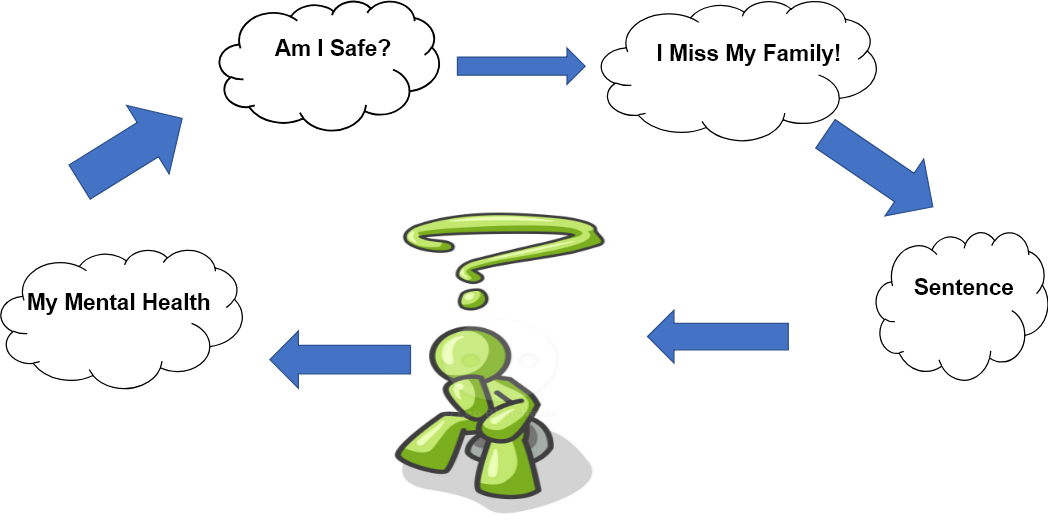
Image 1
This image shows how stress and over thinking can effect a person in prison. The same things can cause undue chronic stress in those who have never offended too.
The Wonders Of The Human Brain
The Master Controller: A Simple Guide to Your Brain's Functionial Abilities
The vast majority of living things on this earth have a central point of control. One of its main functions in organisms involves the intake of energy, gas exchanges, chemical reactions etc. In animals with higher consciousness (see below for who is included in this), their central point is called the brain and has reached “and advanced stage in development” (Oxford Learning Dictionary, 2025). This brain uses oxygen, blood cells, energy, chemical processes and electrical signals that then all cascade through it and the animal’s organs. It’s systems group various cells, DNA strings, cerebral fluids and neurons that instruct the body to grow, mature and give life to an otherwise lifeless ‘soul’.
These higher animals include amongst others:
- Apes
- Cats
- Dogs
- Some Bird Species such as Ravens
- Aquatic life such as Dolphins and Octopus
- Humans
The Human Brain
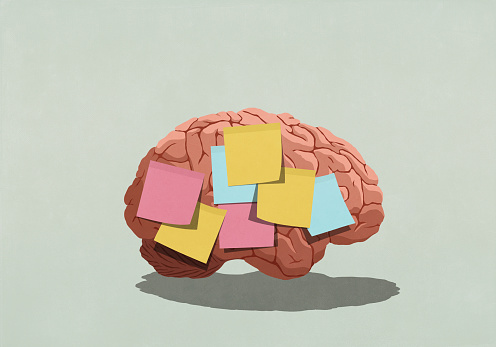
The picture you see as the background image is a human brain. Some liken it to a supercomputer in how it processes, controls and stores vast amounts of information. However, I believe this to be a grossly inadequate and basic description or illustration of this awe-inspiring organ. No matter who we are, our age or where we come from – we all have one (I promise) which is uses to some degree or other. Its an organ we take for granted, expecting it to preform everything we ask of it no matter the consequences may be to it. So for a few minutes, lets go on a journey of discovery and wonder and explore this much forgotten terrain. We will see what it is made of, how it can adapt to challenges and disease, why youths enjoy taking risks and finally why we feel emotions and have memories.
First stop – The goo that makes you!
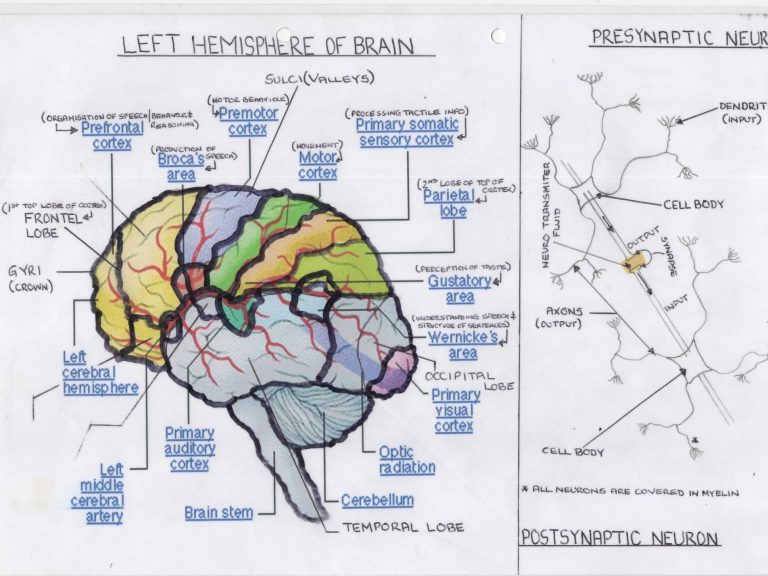
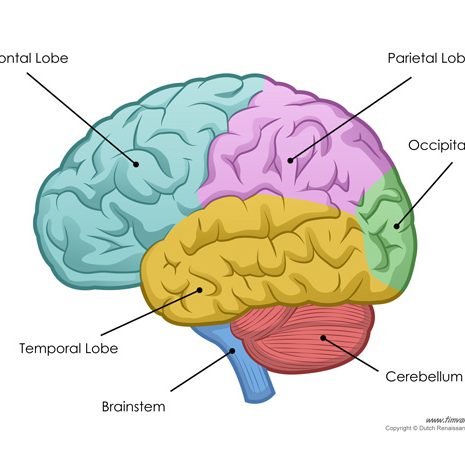
Some scientists believe that the human brain consists of three different levels or stage that have evolved over thousands of years. A phrase that was once used to describe the oldest part or stem area of our brain was the “Lizard brain”. This theory came from a scientist in the 1960’s called Dr Paul MacLean (BBC Science Magazine, 2024). As the figure one shows, it consists of the brain stem (which connects to the spinal cord), the basal ganglia (which helps to co-ordinate voluntary movement and behaviour) and the cerebellum (helps with maintaining our posture, equilibrium and balance as well as allowing us to have fine motor controls such as picking things up and ensuring the correct pressure is applied etc). The second or middle brain is the part of us that controls and creates our emotions and behaviors and is known as the Limbic System. Finally, what scientists call the part that has evolved in modern humans or the mammalian brain – the Cortex.
When we are alive, our brain is like a crushed ball of paper – containing many folds with peaks and troughs and maintains a pinky colour due to the amount of oxygenated blood constantly being pumped around it. Tucked safely inside your skull, this remarkable organ weighs about three pounds and is the size approximately of a melon or large grapefruit (Shepherd, 2018). While incredibly complex, we can break down its main jobs and parts into simpler terms. Think of it as a highly specialized team, with different members handling different tasks to keep the organisation profitable. (VeryWell Mind, 2023). Our brain has two sides that are split and joined in the middle with cells that are like a web called the Corpus Callosum that allow both sides to communicate and act as one organ (Ramachadran, 2005) .
The left and right sides are called hemispheres. Scientists have found that we have a conscious and unconscious part of the brain. Psychiatrists and psychologists believe this unconscious part of our brain is a major part of what we call our mind. For many years it was believed that our mind was separate to our biological brain. However, this has been proven untrue but it still lingers in societies and medicines consciousness with the mythical distinction between mental health and biological health. Our subconscious brain is responsible for what we call the sympathetic and parasympathetic nervous systems. They control our involuntary movements, breathing, the bodies stress response system, heart rate, blood pressure, how our organs work, sex, digestion and excretion (pooping & urinating), movement of fluids etc. (The Cleveland Clinic, 2025).
The Cerebrum Cortex
This is the largest part of your brain, making up about 85% of its weight. It's the wrinkly, outer layer that you typically picture when you think of a brain. The cerebrum is responsible for all your conscious thoughts, memories, language, and voluntary movements. It's where you plan your day, solve problems, and appreciate a good joke. It has areas that not only have primary responsibility for certain functions but can step in to assist with others too. This is called plasticity. These areas are:
- Frontal Lobe: Located at the front, behind your forehead. This is your brain's "executive" area. It handles planning, decision-making, problem-solving, personality, and initiating voluntary movements like walking or raising your hand. It's also crucial for focusing attention and understanding the consequences of your actions.
- Parietal Lobe: Situated behind the frontal lobe. This area processes sensory information from your body – things like touch, temperature, pain, and pressure. It also helps you understand where your body is in space, allowing you to navigate your surroundings without bumping into things.
- Temporal Lobe: Found on the sides of your head, near your temples. This lobe is vital for processing what you hear, understanding language, and forming and retrieving memories. It also plays a role in recognizing faces and objects.
- Occipital Lobe: Located at the very back of your head. This is your brain's visual processing center. Every image you see – from the words on this page to a beautiful sunset – is interpreted here.
Deeper Inside: Key Internal Structures
Beyond these major regions, there are many smaller, specialized structures deep within the brain that perform critical roles and are part of our limbic system include:
- Thalamus: Often called the brain's "relay station." Almost all sensory information (except smell) passes through the thalamus before being sent to the correct areas of the cerebrum for processing. It helps filter out unimportant information so your brain isn't overwhelmed.
- Hypothalamus: A tiny but mighty structure located below the thalamus. It's the control center for many vital bodily functions, including regulating body temperature, hunger, thirst, sleep cycles, and controlling the release of hormones from various glands.
- Rest of the Limbic System: This is a group of structures (including the hippocampus and amygdala, among others) that work together to process emotions, memory, and motivation. It's why certain smells can trigger old memories, or why you feel fear in a dangerous situation.
The brain works by sending electrical and chemical signals through a vast network of specialized cells called neurons. These neurons communicate with each other at incredible speeds, forming intricate pathways that allow for complex thought and action. Every time you learn something new or have an experience, these connections can change and strengthen, highlighting the brain's incredible ability to adapt and rewire itself – a concept known as "plasticity." From the simplest reflex to the most profound thought, your brain is tirelessly working behind the scenes. It's a testament to nature's engineering, constantly learning, adapting, and orchestrating the symphony of your life.
Next stop – the human memory system
Our memories are a large part of the human experience. It helps us decent who we really are – the true self, were we belong, were we come from, who we love and were we are going (Beliavsky, 2023, p.47-56). It keeps us safe and protected from things that would harm us. All this and much much more start all the way back to when we are 6 weeks old inside or mothers. An unborn baby that is only 8 weeks old can start to have emotions and recognise sounds such as voices. We never stop making new memories – it’s true that learning is a life long pursuit!
Yes, I know I said I dislike the analogy of the brain being a computer but the ‘individual’ memory system is like a huge unrivalled database with advanced AI that can predict our every want and need, receive input, gives output and adapts all within less than a second. The diagram below gives a very basic outline of how we receive and store memories.
Neurologists and psychologists have learned much about our capacity to memorize and retrieve information by learning from those that have been effected by disease or been born without this function. Oliver Sacks’ book The Man Who Mistook His Wife For a Hat (1981 & 2015) highlights patients who could not remember what happened to them whether it was "3 seconds or 30 years ago" (Sacks, 1983/2015). Some patients could not recognise themselves, others or body parts in the mirror. Science has much to be grateful for when it comes to patients who participate in research to help others.
Our memory is not controlled by just one area of our brain but a mixture of various areas in both hemispheres. We also do not record things in our minds the same as a video recorder would. For example, the spoken words and background sounds are saved in different areas as are the smells, colours, textures, time, context etc. So when we tell someone a story of something that happened, our brain becomes alive with electrical and chemical stimulation in areas such as Prefrontal Cortex, Neo Cortex, Basal Ganglia, Cerebellum, Hypocampus and Amygdala (University of Queensland, 2025).
Road maps to the human brain
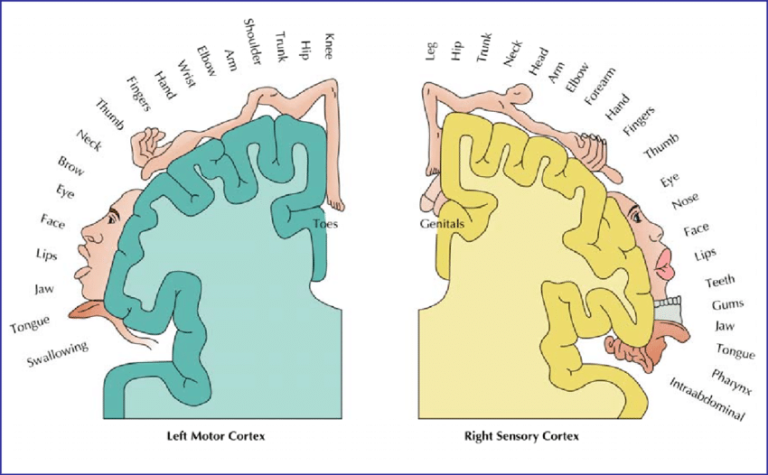
The human brain also contains a map of our body. Like a typical treasure map, it highlights the most important areas by increasing in size the area of most importance. For example, areas that have many nerve endings in them due to the need for increased sensitivity like the genitals, tounge and hands. This map is located on the surface of the brain called the Cortex.
Conclusion
This article explores the extraordinary complexity of the human brain, tracing its evolution from primitive structures to the advanced cortex that governs thought, emotion, and memory. It highlights the brain’s layered anatomy, its role in regulating bodily functions, and its capacity for plasticity—adapting to change and experience. Through vivid analogies and scientific insights, the piece emphasizes how the brain shapes identity, behavior, and consciousness, while challenging outdated distinctions between mental and physical health. Ultimately, it invites readers to appreciate the brain not just as a biological organ, but as the seat of human wonder, resilience, and lifelong learning. And this is only scratching the surface of our knowledge on the human brain.
Why not go searching yourself for many more hidden treasures and explore the deep unknown.....
To help with this, you could have a look at these books which I highly recommend reading. There is also a review of these publications under my tab at the top of the site:
Phantom of the brain. Written by Dr V.S Ramachadran & S. Blakeslee. Published in 2005 by Harper Perennial, UK.
The human mind – A brief tour of everything we know. Written by Dr P. Bloom. Published in 2024 by Vintage, UK.
The pyramid mind. Written by Dr V. Beliavsky. Published in 2023 by Shuster, UK.
Behave – The biology of humans at our best and worst. Written by Prof R. Sapolsky. Published in 2017 by Vintage, UK.
Unnatural causes – The life and many deaths of Britain’s top forensic pathologist. Written by Dr R. Shepherd. Published in 2018 by Penguin Random House, UK.
For a children and the young at heart
The secret life of the brain – Unlocking the mysteries of the mind. Written by Alfred David. Published in 2019 by Hatchet, UK.




Are we failing those with ADHD and Autism?
"Everybody is a genius but if you judge a fish by its ability to climb a tree, it will live it's whole life believing that it is stupid" - Albert Einstein.
Introduction
An over revving engine that constantly back-fires could be caused by dirty spark plugs amongst other things. If your vehicle did this you would take it to a mechanic or the dealership you brought it from. These days most cars are controlled by computers so mechanics will first run tests using a computer terminal. Then comes the bill - how much?
If we would go to these lengths and feel it is important to keep the vehicle safe, why don't we do that with our health especially our mental health? Diagnosing an individual's mental state has always surrounded talking therapies rather than usual clinical tests (i.e. blood tests). I agree that listening to a client and asking the correct questions at the right time on top of investigating their other medical issues (comorbidities) is a skill and art form in itself. That said, of the thousands of diagnosable mental disorders on top of the thousands or other biological health conditions can make things difficult to separate and come to the right conclusion.
The development of neurodivergence
Not that long ago what we now class as neurodivergence was seen as a type of mental disease. Sadly, a lot of what we know know about these conditions came from many years of experimenting on such individuals - before the Nazis and since. When books and medical manuals talked about those with Autism (AS) and ADHD, these people were called morons, idiots, imbecilic or savants.
The term neurodivergent did not start to be used until the late 1980's and 1990's with Judy Singer & Patrick Dwyer from Australia. Singer has been credited as saying:
"hat the neurodiversity paradigm is the middle ground between a strong medical and a strong social model" by Judy Singer
Diagnostics
In the United Kingdom (UK) to gain a diagnosis of AS or ADHD you can either register this through the NHS or seek a private practioner. The NHS service is free to registered UK citizens at the point of contact but private clinicians charge for this service. Although it is usually quicker to go private, with the NHS waiting times so out of control, more and more people are getting themselves in to debt to use private services and this is causing their waiting times to escalate too. All mental health professionals that want to be able to diagnoses this condition must undertake additional training.
The Report
In April 2025 a report was published by a special task force or committee to investigate why waiting times for ADHD and AS were so long - with some taking as long as waiting for 12 years to just get a diagnosis (a copy of this report via a link can be found at the bottom of this article)! Also, they looked into how this affects patients and society as a whole. There main finding included:
- ADHD is not just the remit of health services but society as a whole
- Supporting patients should begin as early as possible (in childhood) even without a diagnosis
- The current separated diagnosis system has failed - with one assessment for ADHD then another long wait for Autism
- Services need to become digitised as soon as possible and stats need to be gathered and acted upon
These are just 4 of the 12 or more urgent recommendations that government, NHS & Private health sectors, employers. education and society as a whole must implement if we are to stop letting down our children, bothers, sisters, mothers, fathers, friends, neighbours and cousins.
NHS England » Report of the independent ADHD Taskforce: Part 1
The Disembodied Self - Looking at The Inner Me!
"The Caterpillar and Alice looked at each other for some time in silence: at last the Caterpillar took the hookah out of its mouth, and addressed her in a languid, sleepy voice. 'Who are you?' said the Caterpillar. This was not an encouraging opening for a conversation. Alice replied, rather shyly, 'I — I hardly know, sir, just at present" - Alice in Wonderland by Lewis Carol. Niche Quotes, 2025.
My name is Ben what is yours? There is a lot you can tell about a person through just their name. But what does it tell the individual about themselves or their personality, likes and dislikes or the real inner person? Although many of us may think such questions as trivial or something a toddler could answer, to others they do not know the answer to them.
The field of neurology has the highest amount of diagnosable conditions related to other fields of scientific medicine. Some of these disorders can strip us of the 'me', the 'I' or 'Self'. One group of conditions that can do this is known as Dementia. So what is Dementia? Is there any treatments or cure? What does the future hold for those with the condition or their families?
The Human Brain v Dementia?
From the point of conception, an unborn baby by the age of 6 weeks old has already started to grow their brain. It has started to regulate certain functions although no bigger than a bean. This awesome structure or grouping of cells with its peaks and valleys of thousands of neurons, chemicals, fluids and electrical pulses leads the way in making you and I the person who we and others will know so well. With the brain its not just wait we can biologically see but the invisible too! Sometimes called the mind is responsible for our thoughts, feelings, intentions, actions and beliefs - all the various bits we jointly call the 'Self'.
As grow in age and reach our developmental stages, so our inner thoughts, memories and ideas form and mature. However, when this disease attacks our brain and makes it start to die and shrink, we loose those precious memories including the inner you. Many think of Dementia as an old persons disease. Those in younger years can also develop this tragic disease too.
According to the NHS website, Dementia is a group of neurological conditions. These can include:
(NHS, 2023 & DementiaUK, 2025)
Psychiatry and Modern Neuroimaging
Many years ago dementia was known as a form of 'senile imbecility' and thought of as a psychiatric disease rather than a neurological condition. Although the Roman's used the term dementia, it was not until the yearly 20th century when it started to become better understood. When neuroimaging came along in the 1970's onwards with x-rays, CT, MRI and fMRI scans we could see the destruction in progress whilst the patient was alive.
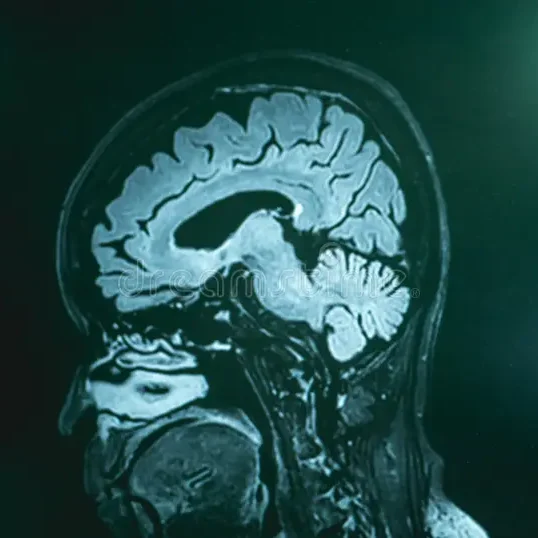
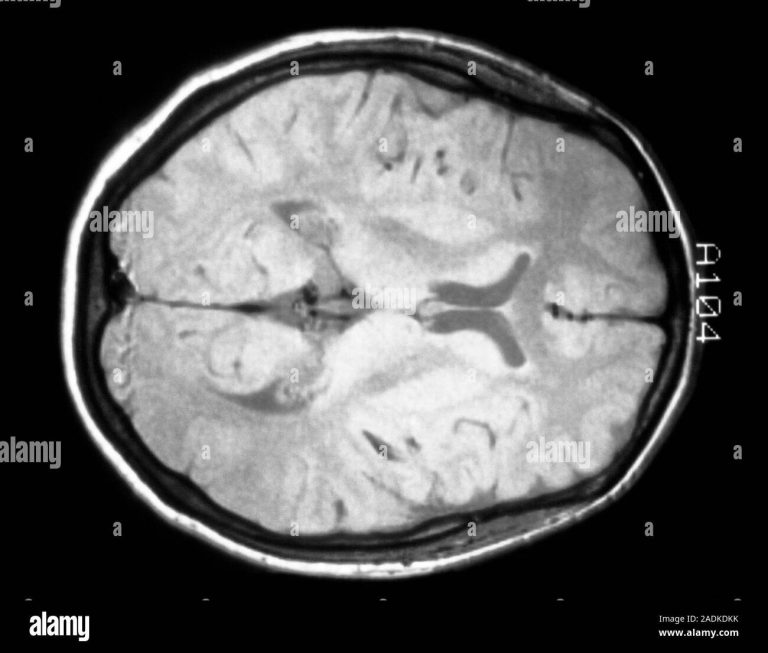
Pictures one and two help us to visualise what happens with the human brain with dementia. Picture one is a healthy individual whilst picture two is known to have the disease. The black areas where brain matter once was shows a shrinking of cerebral mass (how much brain tissue we have). Dementia can effect any part of the brain usually starting with the outer layer called the cortex. As the disease progresses, it shrinks more and more mass deeper and deeper into the brain. The person we know start to have difficulties with the intellect, physical abilities and inner thoughts and feelings.
The Alzheimer's Association television advertisement explains it well. Why not watch by clicking on the link above.
(Copyright Alzheimer's Society, 2024).
Treatments and Therapies
Depending on were you live in the world will dictate which treatments are available if any at all. Access to free or reduced cost health care is very limited so why not look up on google or as a local charity or a neighbour if they know of any charities that may be available to help you from access to treatments, social care, housing, financial aid or mental wellbeing.
However, we all lead extremely busy lives and usually by the time a person or their loved ones are willing or feel able to seek help the disease may have significantly progressed through the brain making any treatment difficult if not impossible. It is so important that for treatments or therapy to assist you effectively - you must reach out as soon as you have concerns or may be thinking "Do I have an issue"? Although loved ones or carers may be tired or exhausted, please keep speaking with your GP and push for a referral to diagnostic or hospital services.
There are some small steps that help with keeping your mind active and could delay or reduce the risks of developing any type of Dementia. For example:
- Life long learning
- Keeping mentally active
- Low to no alcohol
- A balanced diet
- Balanced exercise
- Regular social interaction and communication
- A good sleeping routine
- Managing stress and anger
- Singing
- Reading
- Crosswords/Puzzles
- Regular health checks
These and other strategies are not guarantees to stop dementia. These conditions can be genetically passed down in families or things may be out of your control. If you do have a form of dementia, the NHS and other health authorities and charities recommend using things like a memories boxes, photo albums or colour or music games. I have personally seen clients follow my advice on creating a memories box when well enough and use it on regular basis to slow the pace of life down and forget the stress you are all going through for a little while whilst looking through it.
According to the UK Dementia Directory (2025), a memories box could contain:
- Old photos of when they were a child, their mum and dad or siblings, holidays, grandchildren, husband/wife or partner etc.
- Home movies
- Audio clips of loved ones
- Letters (not bills)
- Little gifts that you received over the years, bits of jewellery, poems etc.
It does not have to cost anything so be careful not to pay out for so called special boxes on shopping sites as finances can be a struggle.
Conclusion
I really hope that this brief article is of some assistance to you or your loved ones. Your personal experience of dementia is just that PERSONAL. We are all different. Please reach out to a doctor or psychologist should you feel that you or a friend may have dementia. Don't be afraid that if you do not have dementia, people are going to ridicule you or think less of you. If it does turn out you do have dementia - well you are still the amazing person you have always been.
Although it can be a stressful time for many, make it a time to draw together as a family or as friends. Communicate regulary together. Start writing things down. Make agreements with family or carers in wriritng and sign it with a witness. May be think of a power of attorney or deputyship. Once you have more advanced dementia you will not be able legally then to form any binding legal document such as a will.
Always look out for each other and most of all - love above all things. No matter where you live, why not have a look on the internet if you can or maybe you can ask a kind neighbour or ask a local charity or the police or medical practioner to help you find support. You can also reach out to me at:
benjamin.thompson@thelisteningtherapist.co.uk
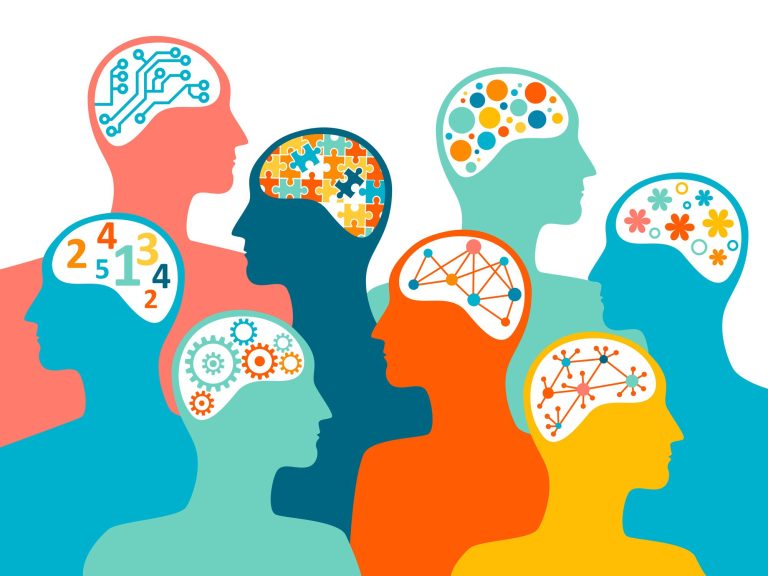
Our Neurodiverse World
"He could do all of these - but, alas, he will do none, unless someone very understanding and with opportunities and means, can guide and employ him. For as the stars stand, he will probably do nothing, and spend a useless, fruitless life, as so many other autistic people do, overlooked, unconsidered, in the back ward of a state hospital."
The Man Who Mistook His Wife For A Hat - Dr Oliver Sacks, Picador, 1985 & 2013
Our planet has so many different animal and plant species which bring a huge variety of colours, sizes, flavours, tastes, smells, abilities, functions - the list is endless. Even if we take the Rose as an example, even the same type of rose has a huge amount of variations that have the ability to adapt to different environments. Human's are no different. We are part of the animal kingdom yet as a species we have such a wide range of differences. This is something that we should all celebrate.
Luckily we are not the same as each other - we are unique! This includes how our brains work. We all have different abilities and skills. Being Neurodivergent is not a disease but a collection of different ways in which we interpret the world around us. What does it mean to be neurodivergent? How can people seek support? How can others support those who are neurodiverse? Lets examine these and other important questions on this topic and by the end of this article, hopefully we will feel less unsure or biased towards this group of people.
Neurodiversity - Who , What and Why?
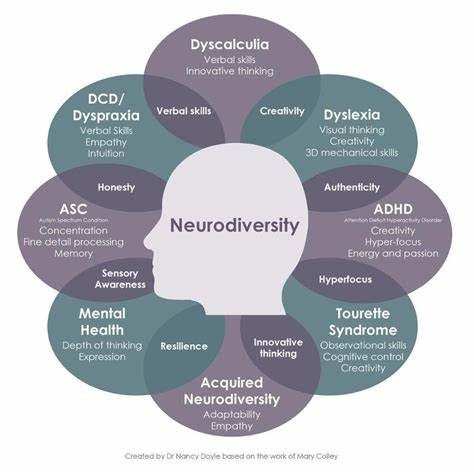
According to the Neurodiversity Education Academy, those who are part of the neurodiversity community are "different not deficient"! Being neurodiverse includes the following 'conditions':
- Autism (Autistic Spectrum Disorder/ASD)
- Dyslexia
- Dyscalculia
- Dyspraxia
- Attention Deficit Hyperactivity Disorder (ADHD)
There have been reports and written documents listing people who are neurodivergent for centuries even dating back well before the early 1800's. Sadly, terms such as Savants, idiots and retards were used to describe people with these qualities. The focus of the medical community back then was how to control such ones by institutionalising them in asylums or hidden away in prisons or work houses. This was a regular practice until 1990's in the United Kingdom (UK) and America (USA). Even today in the 21st century there are times when both the medical community and some families would house 'these' people in homes when care is available in the community in their area. Sometimes this is unavoidable especially if families who care for severely autistic children or adults are elderly and disabled themselves or if the individual has become violent and out of control.
Getting a Diagnosis - The Post Code Lottery
No matter what neurodivergence one has, there are different ways you can go about receiving a clinical diagnosis. They include:
- GP Referral
- Psychiatrist
- Clinical Psychologist
- Forensic Psychologist
- Educational Psychologist
- Mental Health Professional Qualified in ADOS/DISCO
In the UK there is the choice of either joining the NHS waiting list for services or using a private provider. Sadly, most patients will tell you that NHS waiting lists are extremely long. If you can afford it, some try and go through the private diagnosis route yet the guidance now published by NHS England says it is up to the relevant commissioning group to decide if GP's accept the diagnosis and continue to prescribe medication especially if it is a diagnosis of ADHD.
This makes the situation a bit of a 'postcode lottery'. Some areas of the UK have a good NHS or Private waiting list others are diabolical. For example, in the North of England waiting times for ASD diagnosis is approximately 6 years and for ADHD care 8 -12 years. So by the time one gets seen people can no longer stay in education, employment or just function in life. This causes huge financial losses for the patient and the economy. It takes just as long, if possible, to recover.
How can others support those who are neurodiverse?
Going back to the quote from Oliver Sacks at the beginning of our article, many who have a neurodivergent condition, have been and continue to be, subjected to discrimination on all fronts - education, family, employment, socially etc. Being neurodivergent myself, I have experienced this personally. Thankfully I have never been excluded in a mental hospital but discrimination and sometimes hate can make you feel unloved, uncared for and unwanted.
If you are neurodivergent and in full or part time further or higher education, you are entitled to apply for grants (see link below) for mentors/coaches, therapy and equipment. If you are looking for employment, there are government (England and Wales) schemes to help with training or help to stay in work.
For children, most support is in the form of charities rather than government backed schemes. Sometimes a local NHS service offers some assistance but this is rare. Why not check google for what is happening in your local area/state/country. At The Listening Therapist we offer a student mentoring service which can either be paid for by grants, colleges or universities or privately. Why not email me at:
benjamin.thompson@thelisteningtherapist.co.uk
These services are on offer for the UK and Internationally. So if you live outside the UK (i.e. USA, Canada, New Zealand etc.), please feel free to to email no matter where you live for a quote. For those on means tested benefits (state or government income), there is a limited number of places on reduced amounts.
Brain In Hand > Your Guide to Neurodiversity Grants and Resources in the UK
Finding Your Calm: Mastering Stress with Cognitive and Psychological Insights
This time of year in the northern hemisphere beckons the arrival of spring. A time that brings a sense of renewal and rejuvenation as they days get longer, the temperature gets warmer and nature starts to wake up in all mother natures glory. This is especially true for those who suffer from an illness called seasonal affective disorder or SAD. Also, the month of April marks Stress Awareness Month – a crucial reminder that the demands of modern life can cast a long shadow even on the brighter and longer days. If you're feeling the weight of pressure from work or home life, know that you're not navigating this difficulty alone. Fortunately, evidence-based strategies exist to help you regain your equilibrium. Cognitive Behavioural Therapy (CBT), grounded in robust psychological and psychoanalytic principles, offers a powerful pathway to effective stress management.
Deconstructing the Stress Response: A Psychophysiological Perspective
From a psychological standpoint, stress is more than just a feeling; it's a complex psychophysiological response initiated by our brains limbic system to a perceived threat or challenge. Some call this the flight, fright or freeze response. Now, not all stress is bad for us believe it or not! To illustrate, an endurance athlete preparing for their marathon run needs plenty of oxygen rich blood and certain proteins and natural sugars at a moments notice. The heart needs to beat faster and stronger, the lungs need to exchange CO2 for O2, additional blood needs to be sent to their muscles to allow them to continue in this race. Thanks to stress responses all these things happen without the runner giving it much thought. For us mere mortals who do not run marathons, The General Adaptation Syndrome (GAS), proposed by Hans Selye (1946), outlines three stages: “alarm, resistance, and exhaustion” that our body uses in response to everyday stress. While the initial ‘alarm’ phase is adaptive for acute threats or needs, chronic/long term exposure to uncontrolled stress keeps us in the ‘resistance’ phase, depleting our bodies resources and increasing vulnerability to chronic health issues such as high blood pressure, certain cancers, migraines, auto-immune diseases and so forth. Understanding how our biological and psychological interplay underscores the importance of utilising effective proactive stress management is one part in managing chronic stress effectively.
CBT: Bridging Cognition, Emotion, and Behaviour
At its core, CBT operates on the principle that our thoughts significantly influence our feelings and behaviours. Rooted in social learning theory (Bandura, 1977) and cognitive psychology, CBT emphasizes that we are not merely passive recipients of external events but actively interpret and make meaning of them. This meaning-making process, often involving deeply ingrained cognitive schemas which most of us are unaware of due to them operating in our subconscious (underlying beliefs about ourselves, others, and the world around us), can either buffer against stress or exacerbate it. By bringing these cognitive processes into conscious awareness, CBT empowers us to modify or change these maladaptive (false) patterns.
Here's how key CBT techniques align with psychological theory and can be applied to manage stress:
1. Identifying Negative Automatic Thoughts (NATs): Unveiling Cognitive Distortions
NATs are the surface-level manifestations of our underlying cognitive schemas. Often characterized by cognitive distortions – systematic errors in thinking – such as catastrophizing, overgeneralization, or personalization, these thoughts can fuel anxiety and stress.
Psychological Link: Understanding these distortions, as described in Beck's cognitive model of depression and anxiety, is crucial. Recognizing a thought as a "catastrophic prediction" rather than an objective reality allows for psychological distancing and evaluation.
How to use it: As before, monitor your thoughts during stressful times. Label any identified NATs and try to identify the underlying distortion at play.
Example: The NAT "I'm going to fail this presentation and everyone will think I'm incompetent" might reflect the cognitive distortion of "catastrophizing" (assuming the worst-case scenario) and "personalization" (believing others' reactions are solely about you).
2. Challenging Negative Thoughts: Employing Cognitive Restructuring
This technique directly addresses the core tenet of CBT: modifying maladaptive thought patterns. By critically examining the evidence for and against a thought, we engage in a process of cognitive restructuring, aiming to replace biased or inaccurate interpretations with more balanced and realistic ones.
Psychological Link: This process aligns with the principles of rational-emotive behavior therapy (REBT), which emphasizes identifying and disputing irrational beliefs that contribute to emotional distress.
How to use it: Apply the same questioning as before, but now also consider the logical fallacies within the thought.
Example (challenging the NAT above): "Is it truly likely that everyone will think I'm incompetent based on one presentation? What evidence do I have for this extreme prediction? Have I given presentations before that went well?"
3. Cognitive Restructuring: Building Psychological Flexibility
The goal of restructuring is not simply to think "positive" thoughts but to develop more flexible and adaptive cognitive patterns. This fosters psychological flexibility, the ability to adapt one's thoughts and behaviours to situational demands and persist in actions aligned with one's values.
Psychological Link: This concept is central to Acceptance and Commitment Therapy (ACT), a "third-wave" CBT approach that emphasizes acceptance of difficult thoughts and feelings while committing to values-driven action.
How to use it: Reframe the challenged NAT into a more balanced and realistic statement that acknowledges the difficulty but also your capacity to cope.
Example (restructuring the NAT): "Giving this presentation is challenging, and I might feel nervous. However, I've prepared, and even if there are minor hiccups, it doesn't define my overall competence. I can learn from the experience."
4. Behavioural Activation: Counteracting Avoidance and Fostering Positive Reinforcement
Stress can trigger avoidance behaviours, leading to a vicious cycle of withdrawal and decreased positive reinforcement. Behavioural activation, rooted in operant conditioning principles, aims to break this cycle by increasing engagement in activities that are inherently rewarding or aligned with one's values.
Psychological Link: By scheduling pleasurable activities, we increase the likelihood of experiencing positive emotions, which can counteract the negative effects of stress and improve overall mood, consistent with principles of reinforcement.
How to use it: As before, identify and schedule activities that bring you joy or a sense of accomplishment.
Example: Even when feeling overwhelmed, consciously scheduling a relaxing activity like listening to music or spending time in nature can provide a positive counterpoint to stress.
5. Problem-Solving: Enhancing Perceived Control
Stress often arises from feeling a lack of control. The structured problem-solving approach in CBT aims to enhance perceived control, the belief that one has the ability to influence events and cope with challenges.
Psychological Link: Research in health psychology consistently shows that higher levels of perceived control are associated with better stress management and overall well-being.
How to use it: Follow the same steps for problem-solving, focusing on breaking down overwhelming issues into manageable steps.
Example: Feeling stressed about financial difficulties can be addressed by clearly defining the problem, brainstorming potential solutions (e.g., budgeting, seeking financial advice), and taking concrete steps towards a solution.
Integrating Psychological Theory for Sustainable Well-being
By understanding the psychological underpinnings of CBT techniques, we gain a deeper appreciation for their effectiveness in managing our bad stress. Try committing to not only practising these techniques but by also understanding the cognitive and behavioural principles that drive them, we can rewire these neurons in our brains that keep these maladaptive strategies in place (we can do this by utilising our brains plasticity). This integrated approach can foster greater self-awareness, psychological flexibility, and ultimately, a more resilient and balanced life.
What psychological insights resonate most with you in your own stress management journey? Why not share your thoughts, feelings and experiences on a LinkedIn post or send me an email!
benjamin.thompson@thelisteningtherapist.co.uk
Some useful websites and videos for stress management:
https://www.nhs.uk/mental-health/self-help/guides-tools-and-activities/tips-to-reduce-stress/
https://youtu.be/cyEdZ23Cp1E Video on top tips for relaxation
https://youtu.be/xLoK5rOl8Qk Video for Children Body Scanner – Based on Mindfulness
https://youtu.be/e0f9wa2SUX0 Video for Adult Body Scanner – Based on Mindfulness
The invisible enemy attacking our children
To see or hear a child playing, running, laughing or talking with friends are things that are great things to behold but when they are ill or crying it can be hard for any to see. We all have a picture of what children should be like. This is formed by our own childhood's, our religion, customs or personal beliefs and age. Very few of us though want to see harm come to them but this is happening on a scale of unprecedented proportions never seen before. Compounded by the Coronavirus Covid 19 pandemic, children like never before are suffering from fear, anxiety and depression to such an extent that over 50% of British children have a mental illness (Places2be, 2024). This is not the same as the American Childhood Bipolar Disorder diagnosis issue that has been fuelled by big pharmaceuticals and private medical ethics (Cleveland clinic, 2024). This genuine issue is a major reason why so many children can not attend school. So what is causing this and what can we do as a society to help our future selves?
Causation
Causation means what has caused this pandemic? There are numerous newspaper articles, books, research papers or personal feelings on this topic. Bad mental wellbeing is considered by some communities as not an issue or believed, others argue what has caused it or can help our children. It most certainly can not be cured by ignoring it, calling in a priest or discipline. This is a genuine medical issue. The brain is the second largest organ in the human body and controls our body movement and all its functions, knowledge and thoughts. Our brain is one of very few organs, like the heart, that we can not live without. You and me are our brains! In children, as they are in a constant biological flux as their brains grow and develop as they grow new synapses and recycle old ones and have peaks and troughs in neuro-chemicals are susceptible to having them damaged. We have been living in a time of dire uncertainty, unemployment, few job or career prosects, high crime, gang culture, drugs and violence let alone parental neglect and abuse. To some extent adults can think things through or understand what is happening and why. But children can not do that - they are not mini adults.
These societal issues are then compounded by a dying NHS system of health care drastically mismanaged, underfunded, short staffed and politicised. Mental Health has never been invested in by the political party in government in the UK. Politicians can use their private healthcare paid for by the public to sort any health concern out. It don't affect me syndrome. So what can we do to help the children in our family or those that we know?
Caring for the Mental Health of Children
According to Mental Health UK (2024) having open communication channels with children and young adults, especially as parents is a must. There home environments need to be a place of safety and refuge. When we ask how their day was, allow them to open up and take the time to talk to them don't just ask them on the cuff and then move on. Make the time. Why not download the chart below designed by Places2be and Mental Health UK which gives a number of suggestions in how to start conversations with our kids.
The NHS and Every Mind Matters suggest the follow 6 things to support the mental wellbeing of our young ones:
Listen - Be there to listen to them and there thoughts and feelings.
Be involved - Have an active part in there life each day even if it means chatting after our work, reading or playing together etc.
Take what they say seriously - Do not rubbish or dismiss their thoughts or feelings. It may be different to what you did as a child or what you were allowed to do.
Actively support them - If they ask for support or not, be there for them - big or small problems.
Encourage their interests - We all are individuals so don't dismiss what they like or don't like.
Have a positive routine with them - This may mean a regular bed time reading routine, setting reasonable boundaries and sticking to them or be active with them (go to the park, walks, play video games with them etc.) and try not to let anything get in the way of this time even work.
Its not easy as a parent these days especially if your child has ill health or behavioural difficulties. All of us in the community have a part to play by supporting children and giving them a safe place to grow and learn. Its time to get rid of poverty in the 5th richest nation in the world so children go hungry, unloved, victimised and cold. We may feel that its important to care for the elderly, and it is, so why is not important to love and care for our children? Why are we not investing in government funded mental health? We need psychologists and mental health practioners not more on the rich list. We need to start pressuring the government into what they are supposed to do - provide adequate health care for ALL and not have 12 year waiting lists for mental health care. Its not the responsibility of charities to provide mental health care it the responsibility of the government.
National Mental Health Support
Your local NHS will have services for children and young adults. As waiting lists are extremely long - do not delay in either contacting your GP or you may be able to self-refer:
Every Mind Matters - NHS (www.nhs.uk)
Get help for your symptoms - NHS 111
The NHS website - NHS (www.nhs.uk)
Charity Mental Health Support
Improving children’s and young people's mental health – Place2Be
YoungMinds | Mental Health Charity For Children And Young People | YoungMinds
Papyrus UK Suicide Prevention | Prevention of Young Suicide (papyrus-uk.org)
Mental health support in schools and colleges - DfE assured programmes - Minds Ahead
You can check Google or through any search engine on the internet but make sure the source of information is trusted and comes from a research based source.
*This was originally posted on our Wix blog. Content owned by and written by Benjamin Thompson MSc

Addressing the prevalence of rape and sexual violence in England: Understanding the challenges and seeking solutions"*
The Office of National Statistics (ONS) Crime Survey in England and Wales demonstrated that over 700,000 people aged between 16 to 59 were the victim of a sexual offence in 2017 (ONS, 2018). Of all the sexual crimes within the Sexual Offences Act 2003, rape drew the highest proportion of crimes not proceeded to court. For example, year ending March 2019 saw 58,657 allegations of rape to police but only 1,925 cases resulted in a successful prosecution (HMCPSI, 2019). Behind each of these statistics is a human being, something we all do well to remember. Late 2023 , I published a paper on the rape pandemic that this country has been suffering from over the past 10 years. My paper tried to examine it from a specific direction - that of the involvement of the prosecution of these crimes by the Crown Prosecution Service (CPS) and the female rape victims experiences recorded in the British news media. The current research published in England and Wales tends to focus on stats only from combined government agencies within the criminal justice system. Lets examine five of these papers* that discusses the issue of high attrition rates for female rape survivors. These five papers are a sample of the many research documents that support my assertion within my dissertation that the CPS has had a major part to play in this pandemic and that news sources either ignored the impact on women or employed various biases and rape myths:
Research paper one.
Brown. J (2011). We mind and we care but have things changed? Assessment of progress
in the reporting, investigating and prosecution of allegations of rape. The journal of sexual aggression., 17(3), 263-272, https://doi.org/10.1080/13552600.2011.613280
In 2010, the World Health Organization (WHO) highlighted that failure to successfully prosecute rape offences within England and Wales had reached pandemic proportions (Westmorland and Gangoli, 2011). Between January and October 2011, 43,579 cases of rape were reported. This was up 7% from 2009 (Flatley et al, 2010). This paper examined data from the Metropolitan Police Authority (2011), Stern (2010) and Cook (2011). They found that their qualitative research inferred a link between the CJS and high attrition rates. To illustrate, between these dates, it was estimated that only 0.5 per cent of female rape victims came forward making an average of 95,000 rapes recorded by police, of these, 2,910 went to court and 1,070 resulted in a successful conviction (MoJ et al, 2013).
To be able to control these attrition rates, Brown (2011) suggested that it would be advantageous to focus attention on three main areas: improving equality between the sexes, focusing on Restorative Justice (RJ) outcomes and finally eradicating myths surrounding sex and sexual consent. They concluded by summarising the current difficulties with poor rape attrition rates, as discussed within my research paper, that there is a clear link between these poor survivor outcomes and the CJS, which the CPS is a part of.
Research paper two.
Cook, K. (2011). Rape investigation and prosecution: stuck in the mud? Journal of
sexual aggression – an international, interdisciplinary forum for research, theory and practice, 17(3), 250-262. https://doi.org/10.1080/13552600.2011.613281
Cook's paper was published in response to an UK government review into poor rape attrition rates called the Stern Review (Stern, 2010) . Cook (2011) employed a feministic approach. The government requested that a review be carried out by Baroness Stern (2010) into why sexual offence crimes have not been successfully prosecuted despite the continued increase in reporting rates. Cook (2011) suggested that Stern (2010) was still propagating stereotypical “stuck in the mud” ideas. In particular, she suggests that the current adversarial court system gets in the way of any egalitarian style prosecution for rape survivors. Cook (2011) also inferred that the problem was exacerbated upon release of the sexual offender from prison. Although there are several resident and community based therapeutic approaches for sexual recidivism within England and Wales, they have had a limited amount of success in reducing offending due to the complexity of the offence and its causations (HMPPS, 2020). Additional funding is required to boost government and charitable support and welfare schemes within England and Wales. This research voiced concerns over sexual offending patterns, Stern’s (2010) report on rape cases and how they are handled by public bodies such as the CPS. Cook’s (2011) qualitative feministic perspectives supported my assertion's that the CPS has played a considerable part in the low acceptance of cases, managing prosecutions and how this revictimised survivors.
Research paper three.
Gregory, J. and Lees, S. (1996). Attrition in rape and sexual assault cases. British journal
of criminology, 36(1), 1-17, https://doi.org/10.1093/oxfordjournals.bjc.a014060
Gregory and Lee’s (1996) research highlight a historical prospective between the police and CPS’ and their share in culpability for the high rape attrition rates throughout England and Wales. Although this peer reviewed qualitative phenomenological paper was published over 20 years ago, Gregory and Lee’s (1996) offer us a prolegomenon from which we can analyse the data from a contextual sexual offence perspective. For example, austerity within England and Wales during the 1970 and 80’s set in motion the inadequate attrition rates we see today (Farrell and Jennings, 2014). The authors interviewed officers from the Metropolitan Police service, a Forensic Pathologist, Islington CPS, and victim groups between 1988 to 1990. The semi-structured interview data revealed that one of the main reasons rape cases were not processed, was that police officers failed to correctly catalogue these offences (Chambers and Millar, 1983). Even with the CPS taking over prosecutions from the police in 1986, statistics continued to reveal mediocre prosecution levels. Temkin (1993) posited that a police subculture belief in sexual myths was partly to blame for these poor attrition rates. This led to evidence being contaminated making it impossible for the Crown to use in court.
The paper highlighted a historical to current perspective of attrition rates within the CJS. Although revictimization was having a profound effect back in the 1980’s, it clearly shows that, rape attrition has been a systemically profound problem for many years (Gregory and Lees, 1996). This paper’s focus on the police’s relationship with rape attrition rates, provides context to our research topic of the crowns failure to prosecute, in that, there are also other parties within the CJS whom attribute to this phenomenon.
Research paper four.
Murphy. A, Hine. B, Yesberg. J. A, Wunsch. D. and Charlton. B. (2021). Lessons
from London – A contemporary examination of the factors effecting attrition among rape complaints. Psychology, crime and law, 1-33. https://doi.org/10.1080/1068316x.2021.1880584
Murphy's data revealed that one of the lowest rape conviction rates in Europe were in England and Wales, with only 1.5 per cent of cases resulting in a prosecution (Home Office, 2019). It has been estimated that 80 per cent of rapes go unreported to police (Kelly et al, 2005). Data from April 2006 indicated that of the 446 rapes reported to the Metropolitan Police, only 45 cases were processed by CPS even though 1 in 4 of these offences was perpetrated upon those under 16 years of age (Murphy et al, 2021). This quantitative study highlighted that each element of the CJS has had a cumulative effect on poor prosecution rates. Furthermore, rape myths surrounding the use of alcohol or mental instability of survivors continues to negatively affect attitudes toward survivors (Bohner et al, 2013, p. 17). Officers who brought into this mythology bias, were responsible for 48 per cent of case withdrawals as they believed that survivors would likely retract their statements (Hohl & Stanko, 2015).
The authors suggested the need to implement robust psychological training and interventions as most current policies and procedures were outdated. Additional mental wellbeing support is required for survivors throughout the justice process especially when dealing with those that suffer mental health difficulties as this is likely to impact upon co-morbidities and increase the risk of suicide (Murphy et al, 2021, p.5). In conclusion, this paper covers the police investigation to prosecution process of the sexual offence. It highlights a cross section of reasons that attribute to poor rape attrition rates. With only a small percentage of cases gaining CPS approval to charge. The data supported the ideas behind my papers subject positions and discursive repertoires surrounding the CPS’s involvement in the negative direction of prosecution levels to date.
Research paper five.
Wheatcroft, M., Wagstaff, G. E. and Moran, A. (2009). Revictimizing the victim? How
rape victims experience the UK legal system. Victims and offenders, 4(3), 265-284. DOI: 10.1080/1556488090304852
Between 1977 and 1999 the Home Office (2002a) reported that rape prosecutions fell from 1 in 3 to 1 in 13. This research was carried out using a Thematic Analysis methodology to investigate social perceptions and mythology surrounding survivors of female rape. In 2005, only 5.8 per cent of rapes resulted in the CPS prosecuting (Wheatcroft et al 2009). In 2004, the Sexual Offenses Act brought about several positive changes including the incorporation of new sexual offences on men. However, myths that were perpetuated throughout previous legislation and discriminative language regarding female survivor myths continued to be propagated. A considerable proportion of media sources have also been found publishing such myths and biases (Wheatcroft et al, 2009, p.4). Semi structured interviews were undertaken with victim groups, police, and victim support services. Survivors expressed concerns about reporting the crime due to the subject of rape being taboo in most cultures and communities and that no-one would listen to them anyway. Society also continues to fail to engage in a discussion to remove such negative stereotypes such as rape is only an “evolutionary response” (Wheatcroft et.al. 2009). Myths like this move from being societal concepts to active false perspectives within CJS processes.
The research highlighted the urgent need for more specialist centres, training for police, prosecutors and educating society to dispel rape mythology and discrimination. Expanding current societal understanding of sexual offences both within psychological research and within the media system is urgently required.
Conclusion.
This brief bibliography highlighted how female rape attrition rates within England and Wales continue to fall below acceptable limits. Also, it highlights how poor attrition rates are affected by problems within the various sections of the CJS, particularly highlighting the involvement of the police and CPS within England and Wales. Although my paper focuses on the CPS position on negative attrition rates for the prosecutions of rape of a female, some of the above papers linked the police force as an organisation to this issue and individual officers’ biases. Each of the above papers were chosen out of the many psychological papers as they not only supported its main theme but also gave a contextual and historical viewpoint on the many facets of CJS and the part they play, individually and organisationally within this topic. Hope for improvements where discussed. Such as the change in legislation, training for all key parties within the CJS and a reduction in misogynistic mythology (Cook, 2011). These issues will also played a central theme throughout my paper.
The Crown’s Failure to Protect - A Critical Discursive Analysis of Media Reports Referring to Female Rape Attrition Rates in England and Wales - ProQuest Thompson, B. (2022).

Why so controversial? Recognizing and Addressing Domestic Violence Against Men
Is it real?
Domestic violence is often perceived as a crime exclusively perpetrated by men against women. This fact though has those in the field of advocacy for women, law, parliament, health care and wider society up in arms. Some state it does not happen whilst others demand complete focus on women only. It is a topic that generates so much division, hate and anger – something that those who propagate these myths who would cry abuse if it were said about them! While it's true that women are disproportionately affected, the reality is far more complex. Men, too, experience domestic abuse, often in silence due to societal stigma and a lack of readily available support. This article aims to shed light on this often-overlooked issue, exploring the reasons behind the resistance to acknowledging male victimhood, identifying the signs of abuse, outlining steps to leave an abusive relationship, and providing resources for male victims in the United Kingdom (UK)*.
The definition
A young man sits on the floor in his bedroom crying and shielding his face, Copyright owned by www.domestic-violence-laws.com (2025)
Domestic abuse (DA) and domestic violence are the same thing. According to the British government domestic violence (DV) can be defined as:
Any incident or pattern of incidents of controlling, coercive or threatening behaviour, violence or abuse between those aged 16 or over who are or have been intimate partners or family members regardless of gender or sexuality. This can encompass but is not limited to the following types of abuse:
psychological
physical
sexual
financial
emotional
- domestic violence guidance (2012) click/tap here
Remember - you can be a survivor or just one or all of the actions above. However, it does not mean that one is worse than the other or deserves more attention than the other.
A few little stats
A man in a blue t-shirt is being slapped by a women. Owned by www.domestic-abuse-pictures.com (2021)
One of the strengths of the Crime Survey for England and Wales (CSEW) is that it covers many crimes that are not reported to the police and provides reliable estimates of domestic abuse.
Prevalence: The Crime Survey for England and Wales (CSEW) is a reliable source for estimating the prevalence of domestic abuse. The latest CSEW figures (year ending March 2023) show that an estimated 751,000 men aged 16 years and over experienced domestic abuse in the last year. This represents a prevalence rate of approximately 3.2% of men (ONS, 2024).
Lifetime experience: It's estimated that 1 in 7 men in the UK will experience some form of domestic abuse in their lifetime.
Underreporting: It's crucial to remember that these figures likely underestimate the true extent of the problem. Men may be particularly hesitant to report abuse due to societal stigma, fear of not being believed, or concerns about the impact on their children.
Variations in statistics: Different organizations may report slightly different figures due to variations in data collection methods and definitions of abuse. For example, some sources may focus on physical violence, while others include emotional abuse and coercive control.
Why the Resistance?
The reluctance to acknowledge domestic abuse against men stems from several factors. Traditional gender roles often paint men as the strong providers and protectors, making it difficult to reconcile this image with the vulnerability of being abused (Gillis, 2021). DV does not care about whether you are a women, man, LGBTQ+, old, young or non gendered - it can happen to any of us. Men themselves may be hesitant to come forward due to shame, fear of not being believed, or concern about the impact on their children. Furthermore, the focus on female victims in public discourse and support services can inadvertently marginalize male experiences, creating a perception that their suffering is less significant especially when the media and others portray these male survivors as weak or unmasculine (Dowd, 2025).
Key Signs of an Abusive Relationship (for Men and Women):
Domestic abuse is about having power and control over another person. It can manifest in various forms, regardless of gender or sex. While some of the specific tactics may differ, the underlying dynamics are often similar. Here are some key signs to watch for:
Physical Abuse: This includes any form of physical violence, such as hitting, kicking, shoving, grabbing, or restraining that tend to be hidden. Many will wear baggy clothing that covers the neck or hand etc., or will not go out until the bruising is hardly noticeable.
Emotional/Psychological Abuse: This involves tactics like constant criticism, belittling, name-calling, intimidation, threats, isolation from friends and family, and controlling behaviour ("no one will ever believe you" - "you are so stupid - you always get it wrong").
Financial Abuse: This can involve controlling access to money, withholding funds, sabotaging employment, or running up debt in the victim's name. You might have to pay your money into their bank account, have no access to funds or they may count the amount of cash that is given to you before and after shopping.
Sexual Abuse: This includes any unwanted sexual contact or activity, including pressure to engage in sexual acts, sexual coercion, and rape. And yes, you can be raped or sexually abused in a relationship. Consent is not given when married or in a civil relationship at the alter or registry office.
Coercive Control: This is a pattern of abusive behaviour designed to exert power and control over the victim, encompassing many of the above forms of abuse. It can include monitoring, gaslighting, and threats (phone tracking, a slow gradual increase in public displays of over the top attention or abusive talk).
It is important to note that any instance of abuse is totally unacceptable, and the presence of even one of the above signs is a cause for concern.
Leaving an Abusive Relationship:
Leaving an abusive relationship can be challenging for the survivor as many do not want to acknowledge that they are being abused due to the emotional pain, stigma and lies they have been told blaming them as the cause - in the end you start to believe that you are the problem not the perpetrator! It's crucial for the victim's safety and physical and mental well-being to seek help if safe to do so. Here are some steps to consider:
Prioritize Safety: Develop a safety plan that includes a safe place to go, a way to contact emergency services, and important documents. You may be able to tell a neighbour if you trust them or speak to your GP if you think it is safe to do so.
Gather Evidence: If possible, document instances of abuse by telling your doctor or saving threatening messages on your mobile phone.
Seek Support: Confide in a trusted friend, family member, or professional. There are websites and a helpline open 24/7 for men which do not leave details on your internet history or phone records and are free to use.
Contact the police: Dial 999 for urgent help. Remember to tell them that your life is in danger or if you have been starved, hit, sexually abused in some way or neglected. They can help you apply for an emergency injunction such as a Non-Molestation Order (NMO) to protect you. At the moment in the UK, there is a trial underway in a few courts in England (Croydon, Bromley etc.) providing a new protection order brought in this year (2025) called a DAPO or Domestic Abuse Protection Order (click/tap) similar to a NMO (click/tap). Police can also ask a court to issue a prevention order that is a criminal offence to break.
Help in the UK.
Although there are many national and local charitable organizations in the UK to offer support to only women survivors, their is only one national charity that supports only men. This charity is called ManKind - its details are listed at the end of the article. There are also charities that were set up in the UK to support female survivors but have since added male victims of domestic abuse too:
Men's Advice Line: This helpline provides confidential advice and support to men experiencing domestic abuse.
Respect: Respect provides a range of services for perpetrators and victims of domestic abuse, including helplines and online resources.
Victim Support: While not exclusively for men, Victim Support offers general support services for all victims of crime, including domestic abuse.
All contact details will be listed at the end of the article.
The Importance of Acknowledgment and Action
Recognizing and addressing domestic abuse against men is essential for creating a society where all victims, male or female, feel safe and supported. Breaking the silence surrounding this issue requires challenging traditional gender roles, myths, increasing awareness, and providing accessible resources for male victims. If you or someone you know is experiencing domestic abuse, please remember that help is available. You are not alone.
Key takeaways
Domestic abuse against men is a significant issue in the UK.
Hundreds of thousands of men experience abuse each year.
Men are less likely to report abuse than women.
More research is needed to fully understand the extent and nature of domestic abuse against men.
If you or someone you know is experiencing domestic abuse, please remember that help is available. You can contact:
Men's Advice Line run by Respect FREE on 0808 802 5810 or visit https://mensadviceline.org.uk/
Mankind Initiative FREE on 0808 800 1170 or visit https://mankind.org.uk/
Refuge has limited services available for men - visit https://refuge.org.uk/support-for-men/
FOR LOCAL SERVICES - PLEASEW SEARCH YOUR PREFERED SEARCH ENGINE OR CALL INTO A LOCAL LIBRARY AND REGISTER TO USE ONE OF THERE COMPUTERS OR ASK STAFF. YOU CAN ALSO VISIT YOUR GP. REMEMBER - IF YOU FEEL YOUR LIFE IS IN DANGER CALL 999 OR 112 IN THE UK AND ASK FOR THE POLICE. YOU CAN ALSO HOLD THE NUMBER 5 BUTTON DOWN TO CONTECT TO THE POLICE. YOU CAN ALSO CALL 999 AND ASK FOR AN URGENT PIZZA DELIVERY. YOU WILL BE ASKED YES OR NO QUESTIONS.
Note: This article provides general information. It is crucial to consult with professionals for personalized advice and support. The information provided here is not a substitute for professional help. If you are in immediate danger, please call emergency services. While efforts have been made to cite relevant research, this blog post format may not always allow for formal academic referencing. Readers are encouraged to consult resources from the mentioned organizations and conduct further research on the topic. It's difficult to give an exact number of men abused in the UK, as domestic abuse is underreported, and statistics can vary depending on the source and how abuse is defined.
*Although this article talks about it from the perspective of the UK, domestic violence has the same basic characteristics the world over. Google or your preferred search engine will help you find local services. However a word of warning – check in your country if it is illegal to talk about this subject before searching out information or leaving the abusive relationship FIRST!

Police violence and racial brutality – an American problem only?
Systemic racism and prejudice have been described as a highly infectious virus. In 2013 the social movement “Black Lives Matter”, was formed. This was due to the ever-growing insidious culture of police brutality against BAME communities This ever-growing social issue culminated in the killing of Trayvon Martin in the USA who was shot by police officers in his hometown. Due to the Black Lives Matter (BLM) social phenomena being formed in the USA, some have questioned its relevance within other countries such as Britain. Let us critically examine and article that was published by the Guardian Newspaper entitled: “Systemic racism and police brutality are British problems too”, to see if there is evidence to support this statement (The Guardian Newspaper, 2020).
It’s the 28th October 2019 and Douglas Murray addressed a political rally in Westminster, London. Whilst giving his speech, he decided to call out the recent Black Lives Matter march in London. Murry announced that it is ridiculous to be making a stand over what he and his audience perceived as an American problem. For example, he stated that their slogan – “Hands up – Don’t shoot” whilst being escorted by unarmed British Police Officers, was ridiculous (Murray as cited in Guardian, 2019). However, moving forward to 25th May 2020 and the death of another black man, George Floyd of Minnesota, USA showed that guns were not necessarily the problem. Floyd’s untimely death, according to official sources, was the result of asphyxiation and lack of oxygenated blood to his brain. This was caused by a police officer kneeling on his neck for near on nine minutes (NY Times, 2020). Furthermore, data from USA highlights that black men are more 2 and half times more likely to be killed by law enforcement than a white man (Nature, 2020).
Floyd’s tragic death has highlighted the disproportionate amount of violence and unnecessary restraint against BAME men, women, and children, particularly against black men within the criminal justice system and is just as prevalent in UK as anywhere else in the world. This Guardian article identified that law enforcement, whether that be the police, prisons, or immigration – have been infected with the racial bias. To illustrate, according to Ministry of Justice (2021), black people only make up 3.3 per cent of the United Kingdom’s Population. However though, black men make up over 22 per cent of those stopped by police in Stop and Search policy and black men and women cover ten percent of the prison population. As for black children and youths (aged 10 +), they make up 29 per cent of those in custody and are 17.5 per cent more likely to be murdered (MoJ, 2021). Furthermore, data collected by the Home Office in 2018, show that black people stopped nationally by police were found to be guilty of offence only 35.09 per cent of the time compared to white people 44.89 per cent. This data clearly showed racial bias, as black people, although stopped by police more regularly than white, were found not guilty the most (Khan, 2020).
These figures clearly show that police racial bias is far from just an American problem. The Guardian article goes on to name various black people who have died in UK due to police and immigration brutality. Such as, Rashan Charles, Edson De Costa and Sheku Bayoh. Also, black women have fallen victim to the same brutality (Guardian, 2020). Sarah Reed is just one example of many ethnic minority women who were killed by law enforcement. However, although this problem is of a greater proportion within the USA, this does not denigrate the lives sacrificed on the alter of racial brutality within the UK.
Racial bias can also be seen from the lack of prosecutions within England and Wales. To date, no police officer has ever been successfully prosecuted for killing a black person. The only prosecution was in 1969, where two police officers serving within West Yorkshire constabulary Leeds district, killed a black man named David Oluwale. This man was consistently abused both verbally and physically for several years to attempt to drive him out of Leeds. However, the Crown Prosecution Service (CPS) agreed to lessen the charge from manslaughter to assault (Guarding, 2020)*. Although police brutality still is an ongoing problem within UK, there is very little appetite to prosecute those involved. Furthermore, the British government convened a review of racial inequality and institutional bias, The Lammy Review, which was published in 2017. This review showed that the UK is imprisoning more black citizens than the USA is. This sad statistic gets considerably worse when one specifically considers those who are children, 18 years old and younger. This report highlighted that 48 per cent of BAME children, especially young black people, are in custody at any one time (Lammy, 2017 as cited in Guardian, 2020).
To conclude, we have highlighted that although the issue of racial bias and brutality within the police service is a large and visible problem with America’s 52 states, none the less, it is becoming an ever-increasing problem within UK. Furthermore, statistics published both by Ministry of Justice and The Lammy Review, detail that institutional racism within the English and Welsh criminal justice systemgtf988 are at endemic proportions. Also, this problem does not only relate to the adult black population, but over 48 per cent of BAME children can be incarcerated within the same jurisdiction. Far from the BLM being an American societal problem, there is an essential need within UK to highlight the plight of black and brown people. The Guardian Newspaper article highlighted the desperate need for reform on a large scale if injustice and discrimination are to be ever abolished.
*(This does not include Sarah Everard’s Killer who was still a serving Met Police Officer).
References
Hill, E., Tiefenthaler, A, Triebert, C, Jordon, D, Willis, H and Stein, R. (2020). George Floyd Investigation, https://www.nytimes.com/2020/05/31/us/george-floyd-investigation.html (Accessed: 05/02/2021).
Khan, A (2020), Latent Racial Bias - Evaluating Racism in Police Stop-and-Searches, Cornell University, NY, USA.
Koram, K., (2020), Systemic racism and police brutality are British problems too, https://www.theguardian.com/commentisfree/2020/jun/04/systemic-racism-police-brutality-british-problems-black-lives-matter (Accessed: 02/02/2021).
Ministry of Justice. (2018) Race and the Criminal Justice System, publishing.service.gov.uk) (Accessed: 04/02/2021).
Peeples, L. (2020), What the data say about police brutality and racial bias – which reforms might work, https://www.nature.com/articles/d41586-020-01846-z?utm_source=Nature+Briefing&utm_campaign=761bed091d-briefing-dy-20200622&utm_medium=email&utm_term=0_c9dfd39373-761bed091d-44992633 (Accessed: 05/02/2021).
UK Government (2020), Population of England and Wales, https://www.ethnicity-facts-figures.service.gov.uk/uk-population-by-ethnicity/national-and-regional-populations/population-of-england-and-wales/latest (Accessed: 04/02/2021).

The Weight of Justice: Navigating the Unknown Terrain of Court Decisions with Confidence and Integrity
"All rise!" These two words have the power to drag you to your feet and to obtain not just your full undivided attention but that of every person within that room. A Judge within the judiciary of England and Wales is a sight to behold especially in a criminal trial within the Crown Court or Court of Appeal. These highly skilled solicitors or barristers have spent years honing their craft before being able to apply for the job as a Judge. Sitting high up on the raised 'bench' in red or purple robes and grey wigs to signify their importance and wisdom, these judges usually 'sit' in the Crown or High Court. His or Her Honour or Their Lord or Ladyship are two titles that are given more senior Judges with Sir, Ma'am or Judge being the title of lower ranking ones.
At the heart of this legal system a profound responsibility and sometimes a heavy burden sits on these men and women's shoulders: deciding the fate of individuals and communities. The choices a judge makes echo far beyond their courtroom, influencing not only the lives of those directly involved but also shaping societal norms and laws. As judges take on this vital role, their commitment to fair and impartial decision-making becomes crucial. This article explores the challenges judges face, the intricacies of their decision-making process, and the ethical obligations that guide their rulings by getting you to take there place. How would you decide upon critical points of law that could influence a jury's decision to convict or acquit? Could you make important decisions on the spur of the moment - applying years of court precedents, legislation and court procedures?
The Sentencing Council (who are responsible for setting the recommended 'tariffs' that judges must follow) and The Courts and Tribunals Judiciary (is the organisation that all judges belong to) set up a number of scenarios in court where You Be The Judge. The scenarios include cases involving:
- Fraud
- Possession with intent to supply Class A drugs (Selling the most serious type of illegal drugs)
- Possession of a bladed article (carrying a knife)
- Robbery (stealing and attacking someone in their home or place of work/education)
- Assault on an Emergency Worker (like a nurse or paramedic etc.)
- Possession of a firearm (carrying or hiding a gun or taser)
Before you get to don the wig and gown and tread walk to the hallowed bench - here are a few handy pointers:
The Role of a Judge in Modern Society
Judges are the guardians of our laws. They interpret and apply legal statutes while ensuring every trial is fair and just. This role requires not just a deep understanding of legal texts but also compassion and a steadfast commitment to justice.
Judges must enter each case with an open mind, actively listening to both sides. This unbiased approach is essential for delivering a ruling based on the merits of the case, free from personal bias or external pressures. For instance, in a recent case involving a housing dispute, a judge’s commitment to hearing both landlords and tenants led to a balanced decision that preserved the rights of both parties, showcasing how fairness in the process can foster community trust.
The Decision-Making Process
Judges do more than preside; they engage deeply with the evidence and arguments presented. Each case is unique, often layered with complex legal and emotional elements.
The decision-making process can be rigorous. Judges meticulously analyse evidence, witness testimonies, and legal arguments. For example, in criminal cases, judges often spend hours deliberating over the credibility of witnesses and the legality of evidence. They must weigh these factors against legal guidelines to arrive at a well-founded decision that reflects the realities of the situation.
The stakes in these cases are enormous. A judge's ruling can result in the loss of freedom, financial repercussions, or other life-altering consequences for individuals and families. In 2021 alone, nearly 2.1 million people were incarcerated in the U.S., underscoring the weight of decisions made in a courtroom.
Factors Influencing Judicial Decisions
Several factors shape judicial decisions beyond strict legal statutes. While the law is the primary guide, personal philosophy, societal norms, and established precedents all play significant roles.
- Legal Precedents: Judges frequently rely on previous rulings to inform their decisions.
- Societal Context: A judge's understanding of societal values can influence their interpretation of legal principles. Awareness of current issues, such as racial equality or mental health, allows judges to approach cases with a culturally sensitive perspective. Research suggests that judges who engage with community issues may deliver rulings that align more closely with public values.
- Moral Compass: While judges strive for impartiality, their values and ethics inevitably shape their judgments. Every ruling reflects a mix of legal analysis and moral reasoning, further complicating the weight of their responsibilities.
The Emotional Toll of Decision Making
The burden of making significant decisions can weigh heavily on judges. Over time, this emotional stress can manifest as anxiety or burnout.
To manage this pressure, judges must develop effective coping strategies. Many engage in reflective practices to process their experiences. They often seek support from peers, mentors, or mental health professionals. A study showed that judges who participated in wellness programs reported a 31% reduction in stress levels, highlighting the benefits of prioritizing mental health in high-pressure professions.
Ethical Considerations
Integrity is critical in the judicial profession. Judges follow strict ethical guidelines to uphold fairness and honour in their decisions.
Transparency: Building public trust requires transparency in courtroom proceedings. When judges explain their reasoning, it enhances community confidence in the legal system. For instance, judges who articulate their decisions in public forums often observe improved perceptions of fairness within their communities.
Accountability: Judges must also be prepared for scrutiny. The appellate process acts as a check on judicial decisions, allowing for transparency and review of contested rulings. This mechanism reinforces accountability, ensuring that judges maintain the high standards expected of them.
Embracing the Burden of Justice
Being a judge is an exceptionally challenging role. It demands a careful balance between the strict application of law and the human elements that accompany each case.
Judges who approach their work with confidence and integrity can navigate this challenging landscape effectively. They understand that their decisions hold the power to shape lives and define justice. A fair judicial process is essential to a healthy society. As judges fulfil their roles, they must stay vigilant, embracing their responsibilities while promoting a legal system built on fairness, ethics, and respect for all.
Are you ready?
So here we go your honour. It's time for the court to rise!
Click/tap on the weblink below to access these trials. Good luck.
https://www.youbethejudge.org.uk/
ID: This is a picture of an old criminal court room in England and Wales. It has dark mahogany wooden benches and desks. The Judge sits in the front of the court o a raised bench. Copyright owned by gov.uk