
Stuck in the mud! How being neurodiverse can cause cognitive paralysis.

Mental or cognitive paralysis is when you shut down because you feel completely overwhelmed. Maybe you’re bombarded by too many thoughts, too many emotions, or too many stimuli — whatever the cause, you just can’t organize your thoughts. On the other hand Choice and Task Paralysis make us over think and go round and round in cycles making it really difficult to break free from the cycling grip. It does not have to be a massive task or problem that we are facing but it certainly can feel like it (Hagan and Litvinov, 2025)!
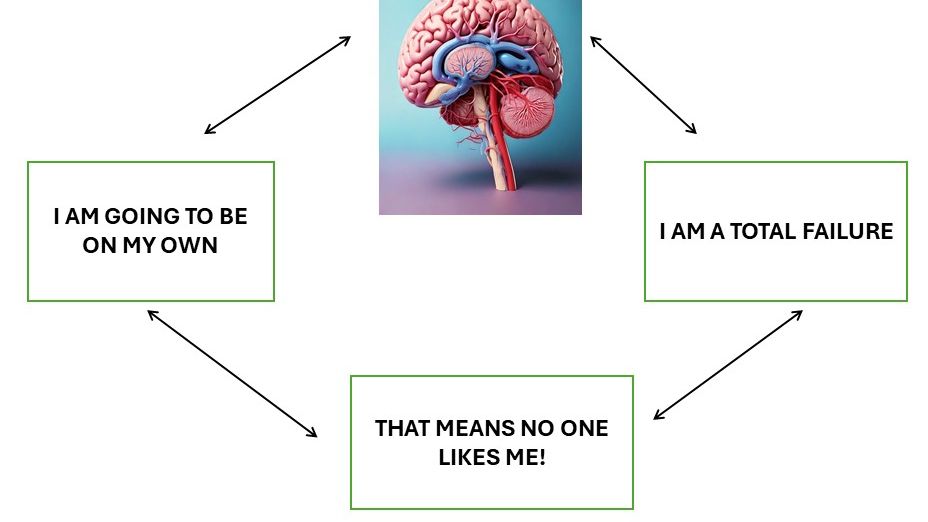
This makes completing even small tasks truly problematic. To illustrate what I am saying, have a look at image one above. What do you see? We can clearly see that this type of fixation can go round and round in our heads. Breaking this paralysis is no easy task. Neurodivergent paralysis (sometimes known as ADHD or ASD paralysis) has 3 core effects on a neurodivergent person. These 3 core features are:
- Mental Fuzziness: Difficulty Thinking Clearly
- Forgetfulness: Frequent Memory Lapses
- Difficulty Concentrating: Struggling to Maintain Focus on Tasks
Its hard enough getting through each day. But sometimes our brains go a little blank. This can cause issues with memory recall or making new memories. Mental fuzziness can also be known as brain fog. Just like a real thick fog - brain fog does not just effect neurodivergent individuals. Those who experience chronic pain conditions - i.e. Fibromyalgia and Chronic Fatigue Syndrome (CFS) which is also known as ME, can go through patches when the pain and lack of adequate sleep stop the person retaining information or recalling things. No matter what the cause is, problems occur for a person whilst they maybe studying in education (at any level), in employment, running a family home or our everyday life in general. Managing your finances can also become difficult too.
Here is a brief list of 8 things that can assist in managing the above core features of neurodivergent paralysis:
Forgetfulness: Forgetfulness whilst it can be caused by brain fog, it can also be triggered by other aspects of our neurodivergence. Anxiety based symptoms such as stress, insomnia, panic attacks or obsessive thoughts can cause the brain to feel over loaded. Managing our daily routine or maintaining a healthy mental wellbeing strategy that we apply everyday can weaken and even break the vice like grip that chronic anxiety can hold over us. Just because we are going through a bad patch or can not see a light at the end of the tunnel, so to speak, does not mean the end of things! We can do things that enable us to have a better grip on how our memory works.
Medication Management: If you are a person with ADHD and take stimulants/non-stimulant medication, or are on antidepressants for a co-existing mental health condition (maybe an anxiety or depressive condition), proper management of medications can reduce the risk of adverse side effects that contribute to brain paralysis and the core symptoms we experience. Taking your medications at a regular time and with food also helps keeping appropriate levels in our blood stream. Research has demonstrated that if we combine a scientifically tested therapy (and fully engage with it) and ensure we follow the Pharmacist's or Doctor's advice, we are likely to have a better outcome than if we just use one method or do not actively engage with therapy.
Regular Medical Reviews: If you live in the United Kingdom, your GP through the NHS asks you to attend an annual health or medication review. Ensure to schedule regular consultations with healthcare providers such as your GP (family physician), psychiatrist or psychologist to assess the effectiveness and side effects of medications. Adjustments may be needed to balance symptom management to aid cognitive clarity. You can also use this time as an opportunity to ask questions about your condition.
Alternative Medications: If brain fog persists, discuss alternative medications or adjunct therapies with your healthcare professional that may have fewer cognitive side effects. Some people use vitamins and minerals to supplement their diet to help with cognitive function. A little warning - please ensure you check any claims the company make using safe and accurate scientific information. Such as national or internationally recognised hospitals such as NHS, John Hopkins Hospital or Mayo Clinic. The American Psychiatric Association and American Psychological Society have a lot of up to date leaflets you can download. Remember, if it has huge claims such as curing or huge success rates its probably to good to be true.
Healthy Sleep Habits: This is sometimes called good sleep hygiene. Establishing good sleep hygiene can significantly reduce brain fog by ensuring adequate rest. Our brain does most of its sorting, filing and repairs whilst we are asleep. REM sleep is also known to be the time when our spinal fluid is increased to wash our brains to rid it of toxins and dead cells etc. Having a consistent sleep schedule such as maintaining a regular bed and wake-up time, even on weekends. Try and keep your bedroom or sleep environment at a steady 16 degrees Celsius and create a sleep-friendly environment that is dark and quiet. Some neurodivergent individuals can not sleep without some ambient noise. There are loads of free apps or videos available on the web for this purpose. You can even use AI tools to create your own. Creating a good bedtime routine is essential to develop a calming pre-sleep routine, such as reading or taking a warm bath, to signal the body that it’s time to wind down.
A Balanced Diet: A well-balanced diet that is rich in natural vitamins and minerals from fruit, veg and balanced use of proteins and carbohydrates can enhance cognitive function and reduce the symptoms of brain fog. Try and avoid fad diets or excessive weight loss without speaking to a doctor first. Nutrient-Rich Foods can be incorporated that are rich in omega-3 fatty acids (like fish and flaxseeds), antioxidants (like fruits and vegetables), and B vitamins (like whole grains and legumes) to support brain health. Good hydration will ensure adequate oxygenated blood flow and volume, as even mild dehydration can impair cognitive function.
Stress Reduction Techniques: Our modern day lives are a major source of chronic stress. Reducing stress through various techniques can alleviate brain fog and enhance mental clarity. Mindfulness is based upon old Buddhist teachings that help you focus your attention on the here and now. Practising mindfulness or meditation has been found to help manage stress and improve focus. Relaxation too can have a profound effect on reducing harmful levels of stress. There are a number of techniques that are easy to do even without anyone around us known. And no none of them involve chanting or humming. Two simple techniques are called 'The Body Scan' and 'Grounding'. Regular gentle exercise can improve our overall health levels. Engaging in regular physical activity, such as yoga or aerobic exercises can reduce stress and boost cognitive function.
Consistent Routine: Creating and sticking to a routine can provide structure that helps manage ADHD/ASD symptoms and reduce brain fog. Using a Daily Planner or schedule can help us to be organised, avoid procrastination and not miss deadlines. Use a e-planner or digital calendar to schedule tasks, appointments, and breaks. This can help maintain a structured day and reduce the cognitive load associated with unpredictability. Task Breakdown is and effective safe mechanisms to help as a safe form of coping with stress and cognitive decline: Break down tasks into manageable steps and allocate specific times for their completion to avoid feeling overwhelmed.
These brief tips are all backed up by scientific research. If you would like a list of all the peer reviewed papers used in this article, please feel free to reach out and I will gladly send them to you. I have also listed some reliable and trustworthy websites and books that I highly recommend reading to help you delve deeper into this topic.
Books
How to calm your mind. Finding productivity in anxious times. By Chris Bayley (2022). ISBN: 978-1035001996
Addicted to anxiety. How to break the habit. By Dr Owen O'Kane (2025). ISBN: 978-1-405-97231-4
Unmasked. The ultimate guide to ADHD, autism and neurodivergence. By Ellie Middleton (2023).
Websites
Demystifying my diagnosis of autism - Mayo Clinic News Network